What Is an Explorer Yacht?
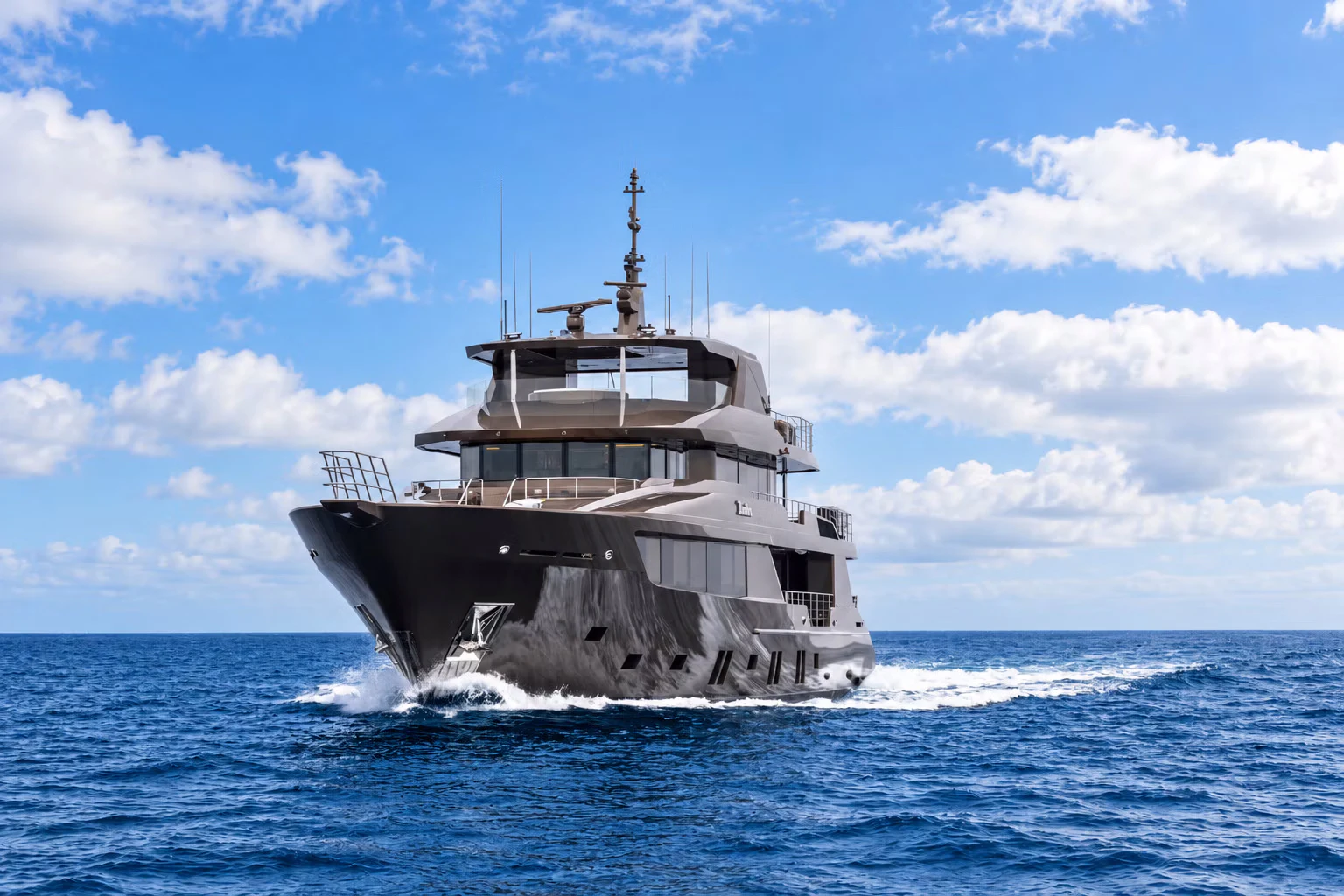
An explorer yacht is designed for owners who want to travel farther, stay away longer and reach destinations beyond the usual cruising routes. They generally combine long range, efficient performance, robust construction, generous storage and the equipment needed for extended cruising away from shore-based support.
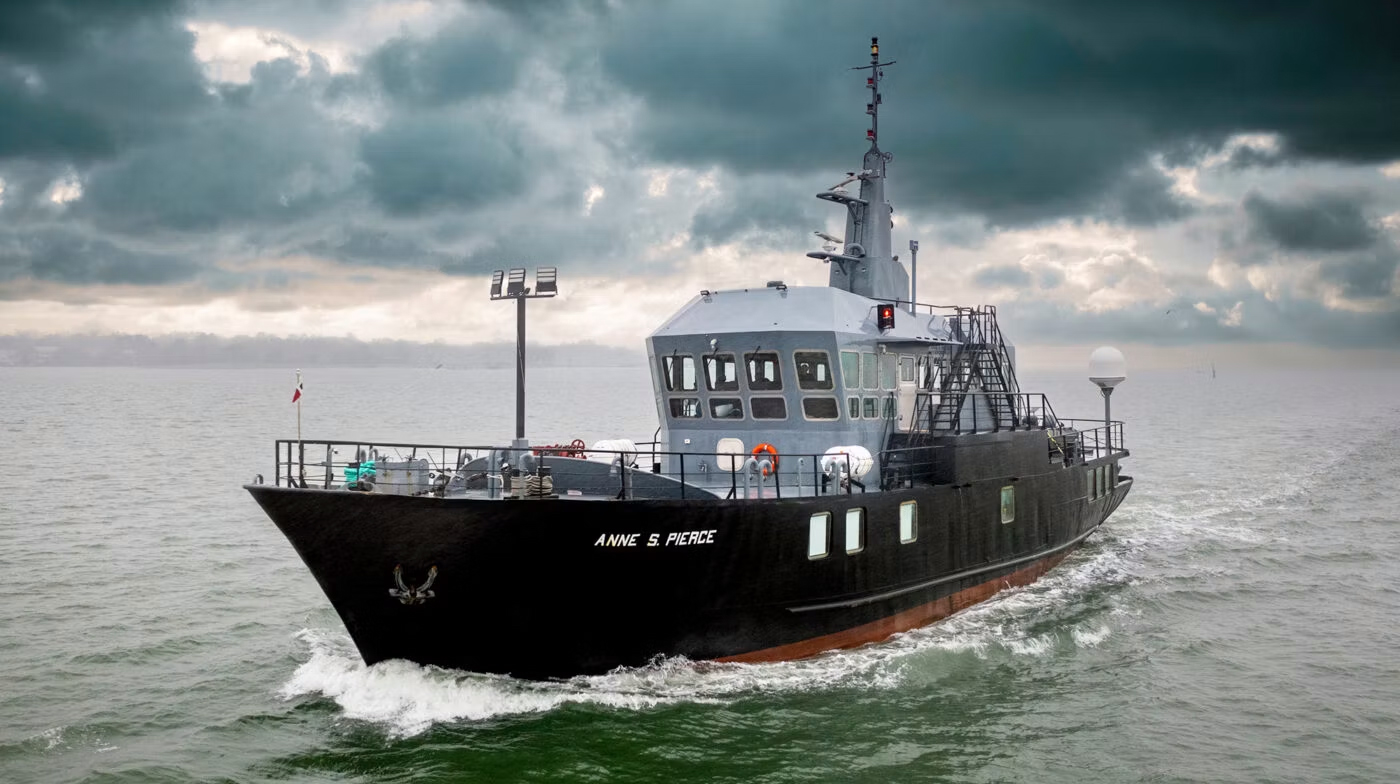

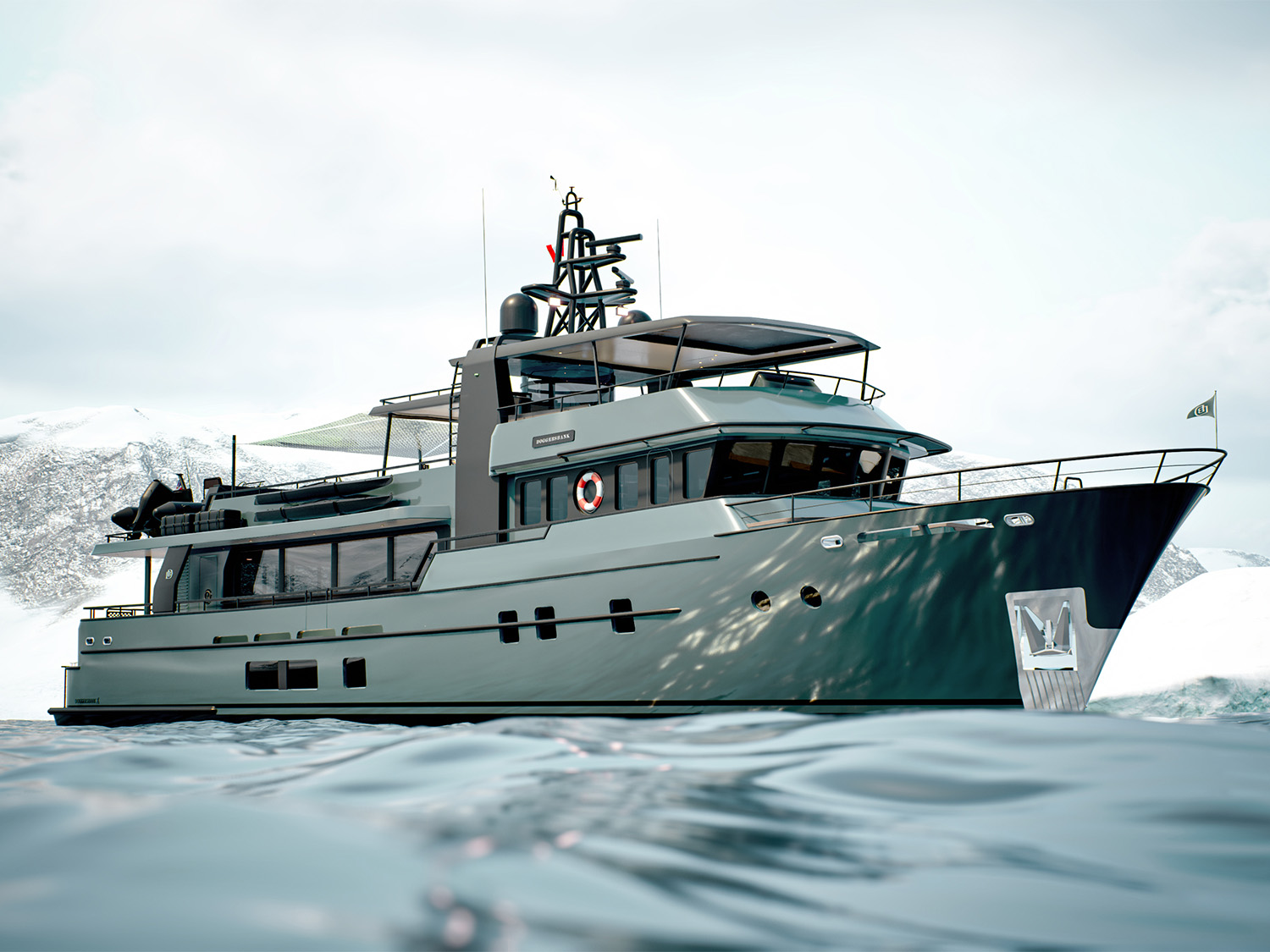
The category includes everything from compact passage-making yachts to large expedition platforms designed for global travel. Builders such as Numarine, Naval Yachts, Ocean King, Delta Marine and Doggersbank all offer yachts or yacht platforms associated with long-range and exploration-focused cruising.
What defines an explorer yacht is not simply its appearance. Its range, systems, construction, storage and intended operating environment are more important than whether it has a rugged profile or a high bow.
What Makes a Yacht an Explorer Yacht?
The defining characteristics of an explorer yacht are usually found in its capabilities rather than its styling. A high bow, enclosed wheelhouse, working deck or rugged exterior may suggest an expedition profile, but these features alone do not make a yacht an explorer yacht.
Explorer yachts are generally designed around autonomy, range and flexibility. They may be intended for long passages, remote destinations or challenging conditions, with systems and layouts that support life aboard for extended periods.
For buyers, the most important question is not whether a yacht looks like an explorer yacht, but whether its construction, equipment and onboard systems support the type of cruising they intend to do.
Long Range and Efficient Cruising
Range is an important consideration for buyers looking at explorer yachts. The distance a yacht can travel is influenced by factors including cruising speed, fuel capacity, fuel reserves, sea conditions and the yacht’s operating load.
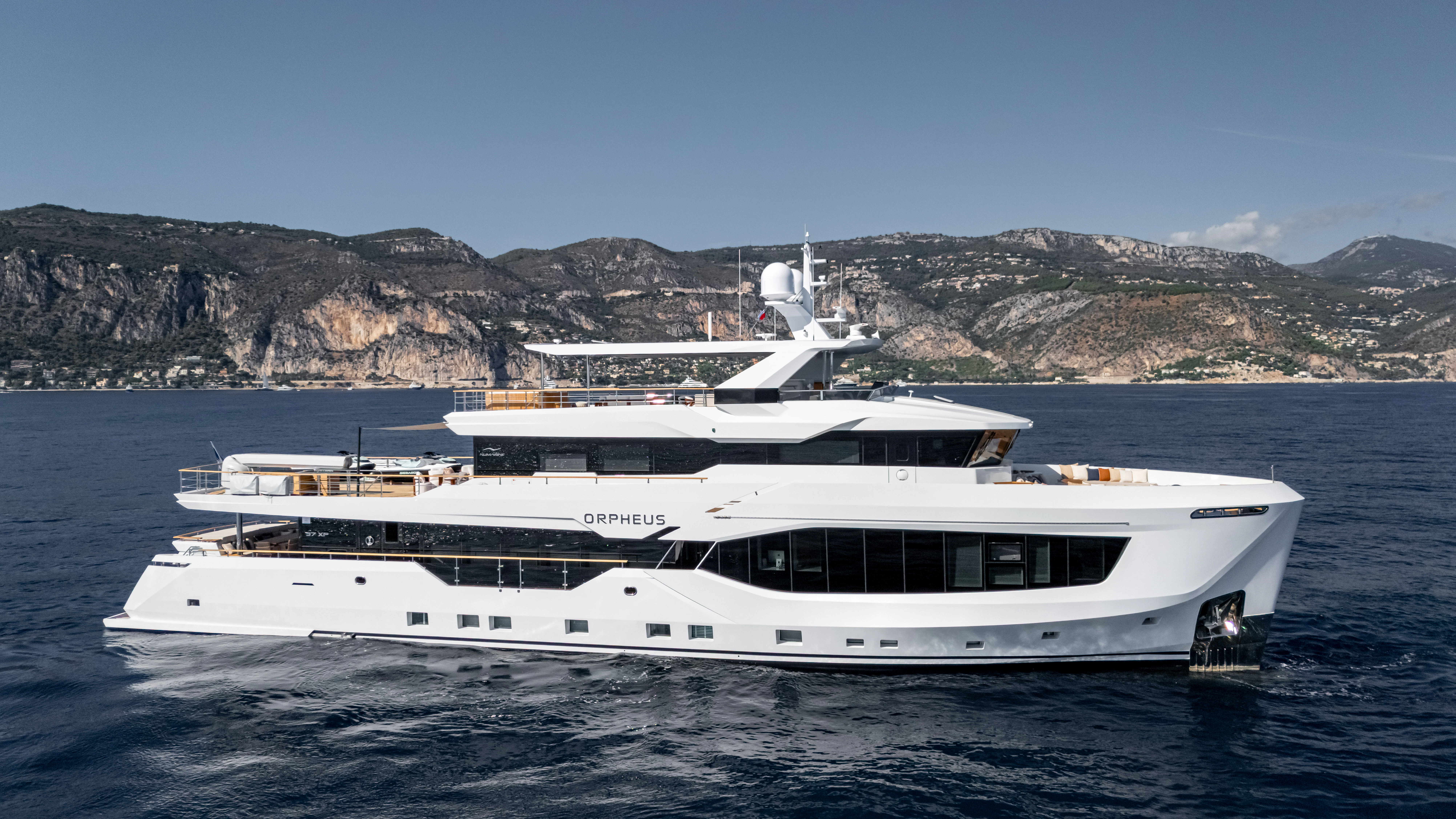
Several yachts currently offered for sale with Northrop & Johnson illustrate the difference range can make. COMPASS ROSE, the 161’10” (49.23m) C. & G. Boatworks yacht, has a range of 9,000 nautical miles at 10 knots. ORPHEUS, a 122’ (37.19m) Numarine delivered in 2025, offers a range of 6,000 nautical miles, while VANGUARD, a 78’4” (23.86m) Naval Yachts explorer, has a range of more than 7,000 nautical miles. Published range figures should always be reviewed carefully. A yacht’s maximum range may not reflect how it will be used in practice. Buyers should understand the speed at which the range was calculated, the fuel reserve included and the conditions or load assumed.
A yacht with a lower cruising speed and substantial range may be better suited to global exploration than a faster yacht that requires more frequent refueling.
Hull Design and Seakeeping
Explorer yachts are typically designed to provide a comfortable and predictable ride over longer passages. Some have deeper hulls, substantial displacement and flared bows intended to provide additional protection in open-water conditions. Others are built with ice-strengthened or ice-capable hulls for operation in colder regions. However, not every explorer yacht is intended for extreme environments, and the yacht’s classification, construction and operating limits should always be reviewed in relation to the intended cruising grounds.

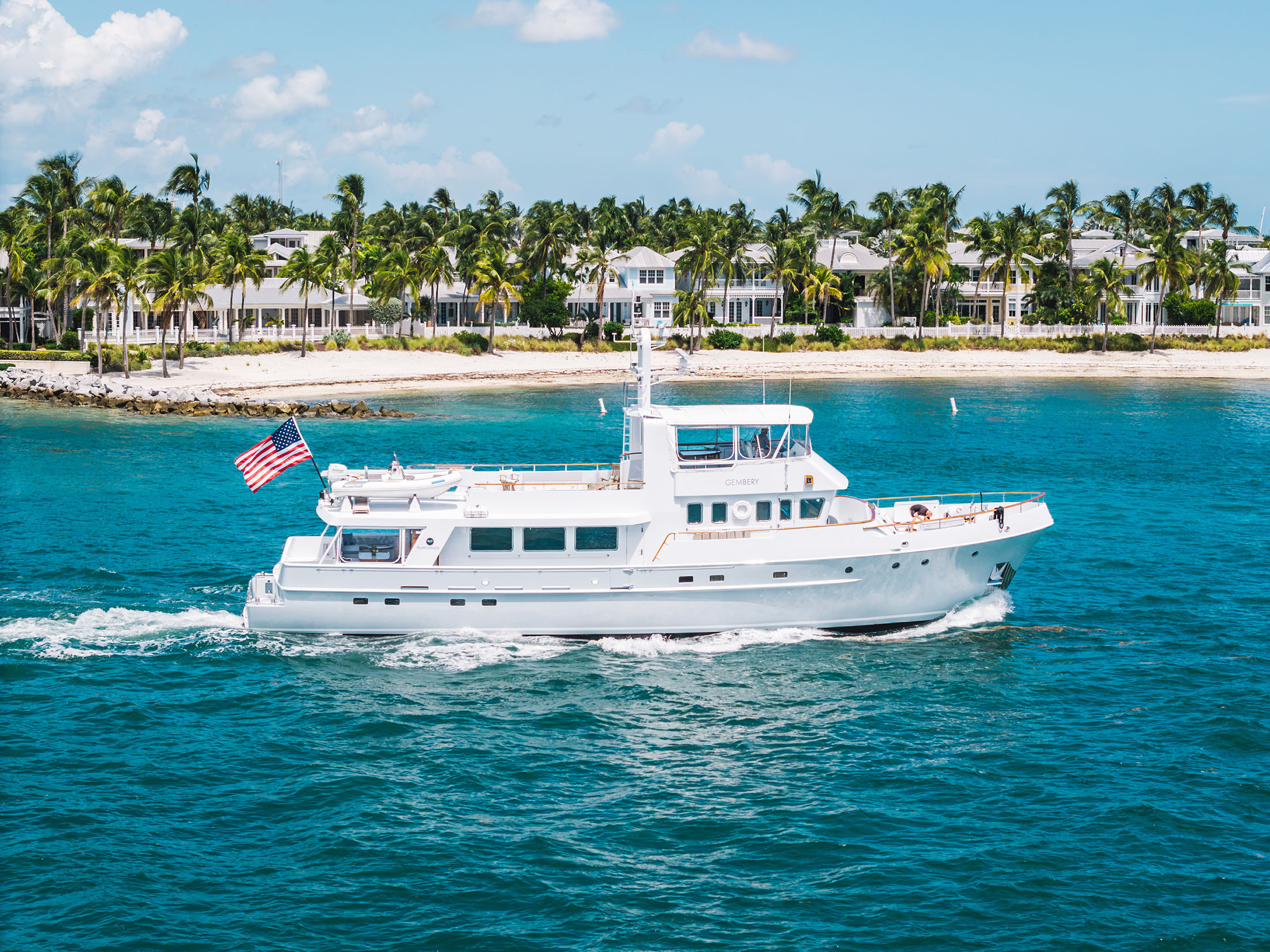
VANGUARD demonstrates how construction can be matched to a particular cruising ambition. The Naval Yachts explorer has an ice-reinforced hull, aluminum construction and a displacement hull form, supporting its stated long-range and high-latitude capabilities. GEMBERY, a 90’ (27.43m) Palmer Johnson built as part of the Vripack Doggersbank line, pairs an all-aluminum hull with a displacement configuration for offshore cruising. COMPASS ROSE’s aluminum hull and superstructure, substantial fuel capacity and displacement profile are combined with systems designed to support extended ocean passages.

For a buyer considering remote travel, important questions include whether the hull is reinforced for the intended environment, what classification and commercial certifications the yacht holds, how it performs in exposed or rough conditions and whether its draft will restrict access to shallow anchorages.
Storage, Tenders and Exploration Equipment
Explorer yachts generally require more storage than yachts intended primarily for short coastal trips. This may include space for large tenders, expedition boats, personal watercraft, diving equipment, kayaks, paddleboards, fishing gear, spare parts and additional provisions.
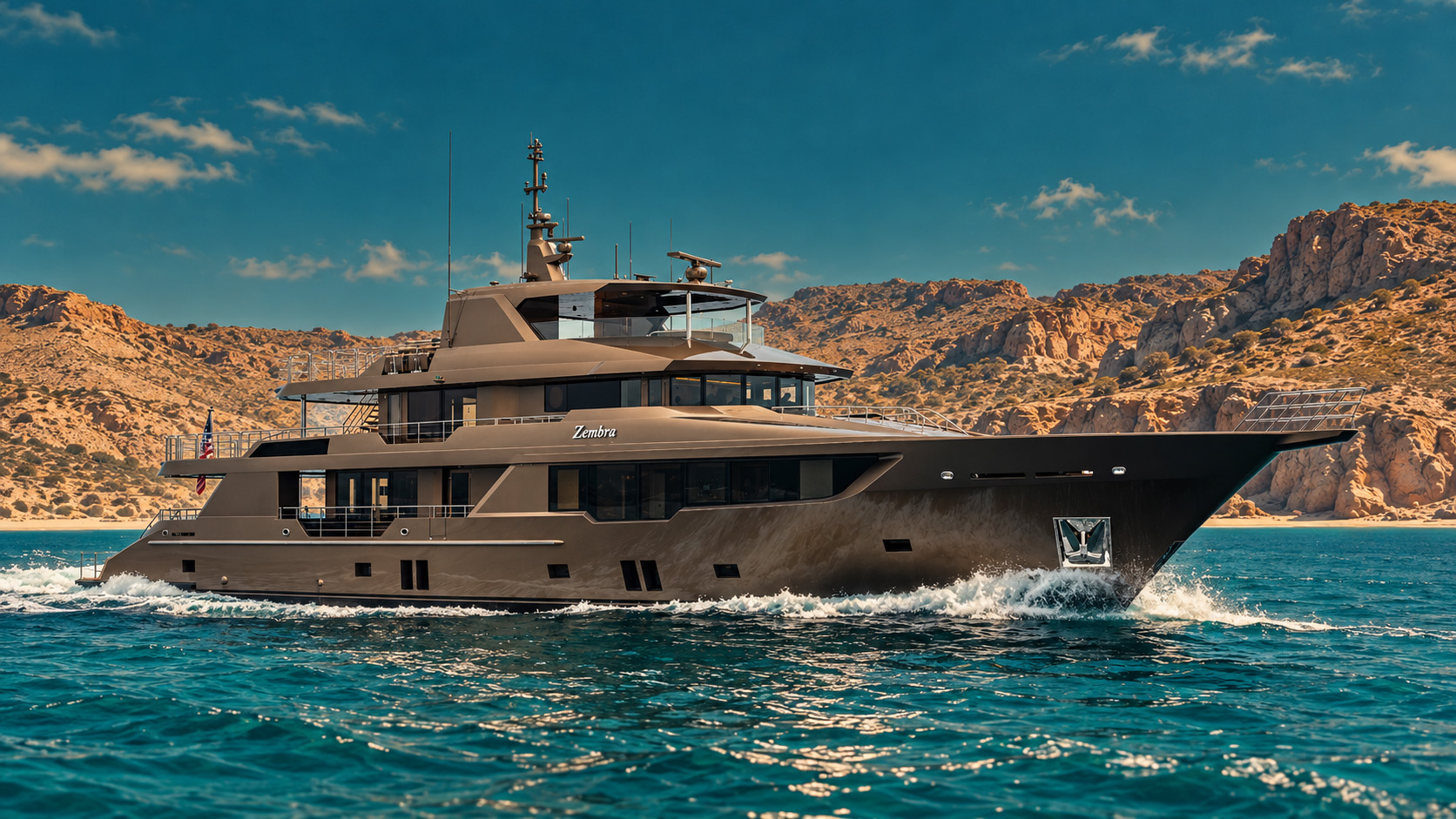
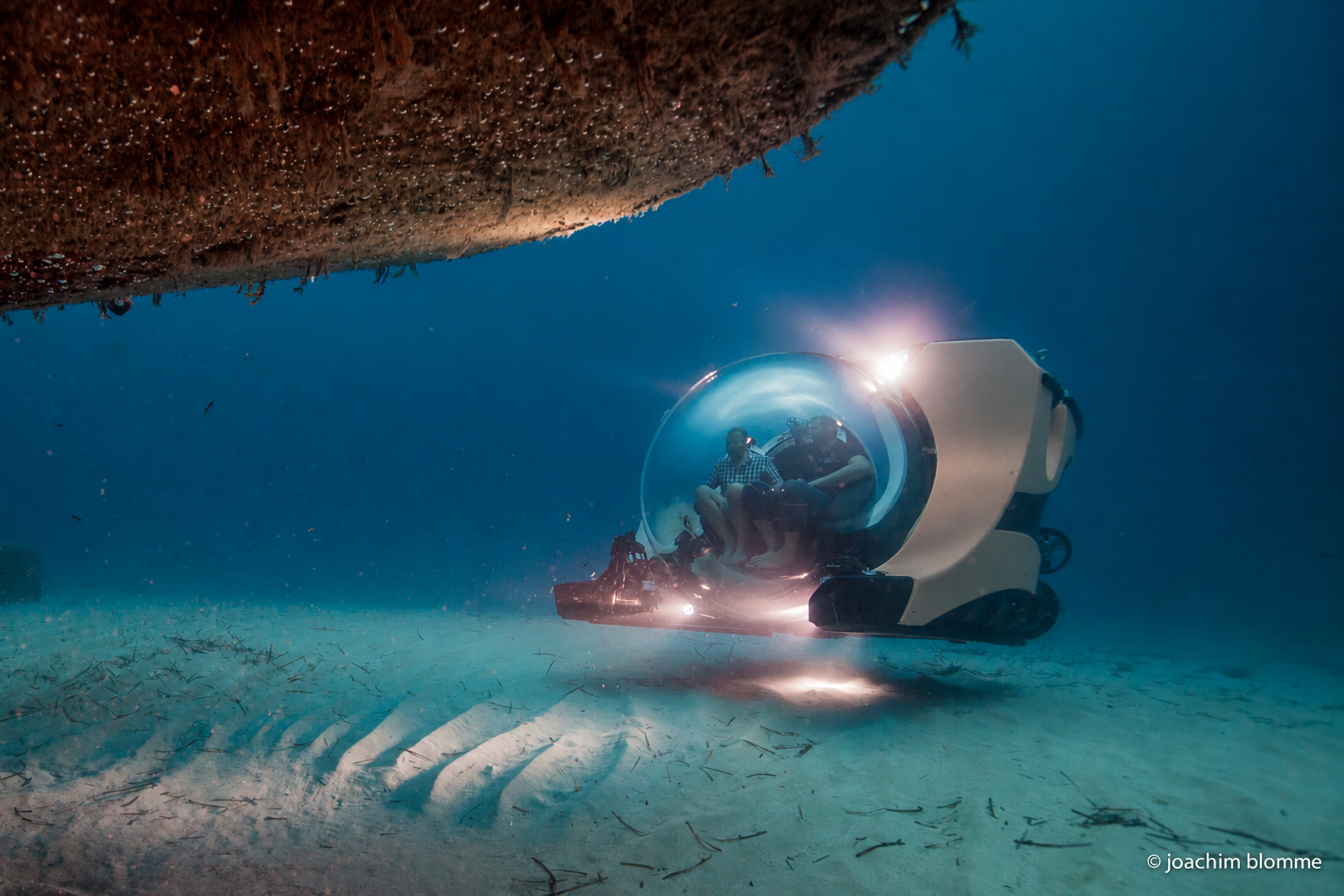
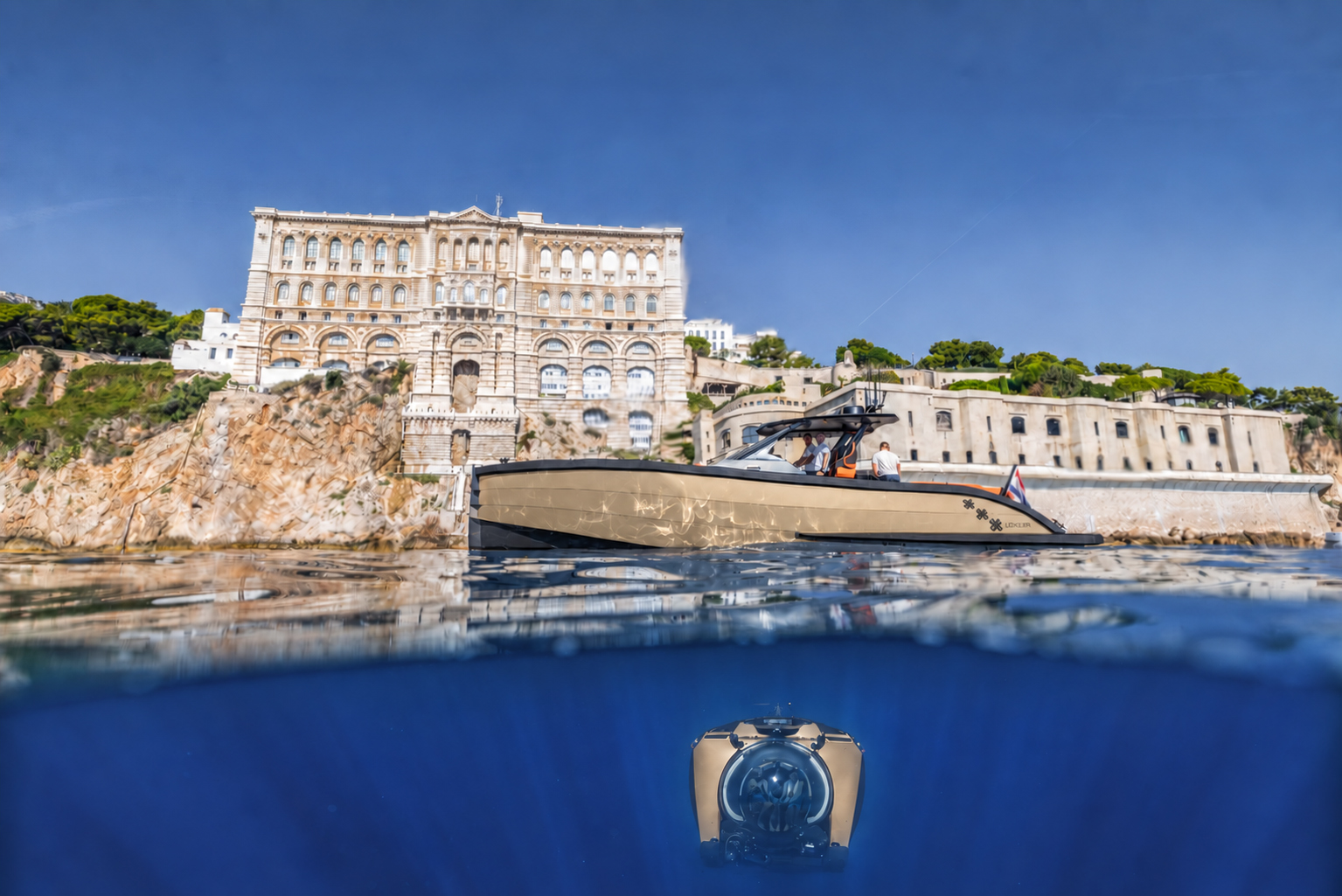
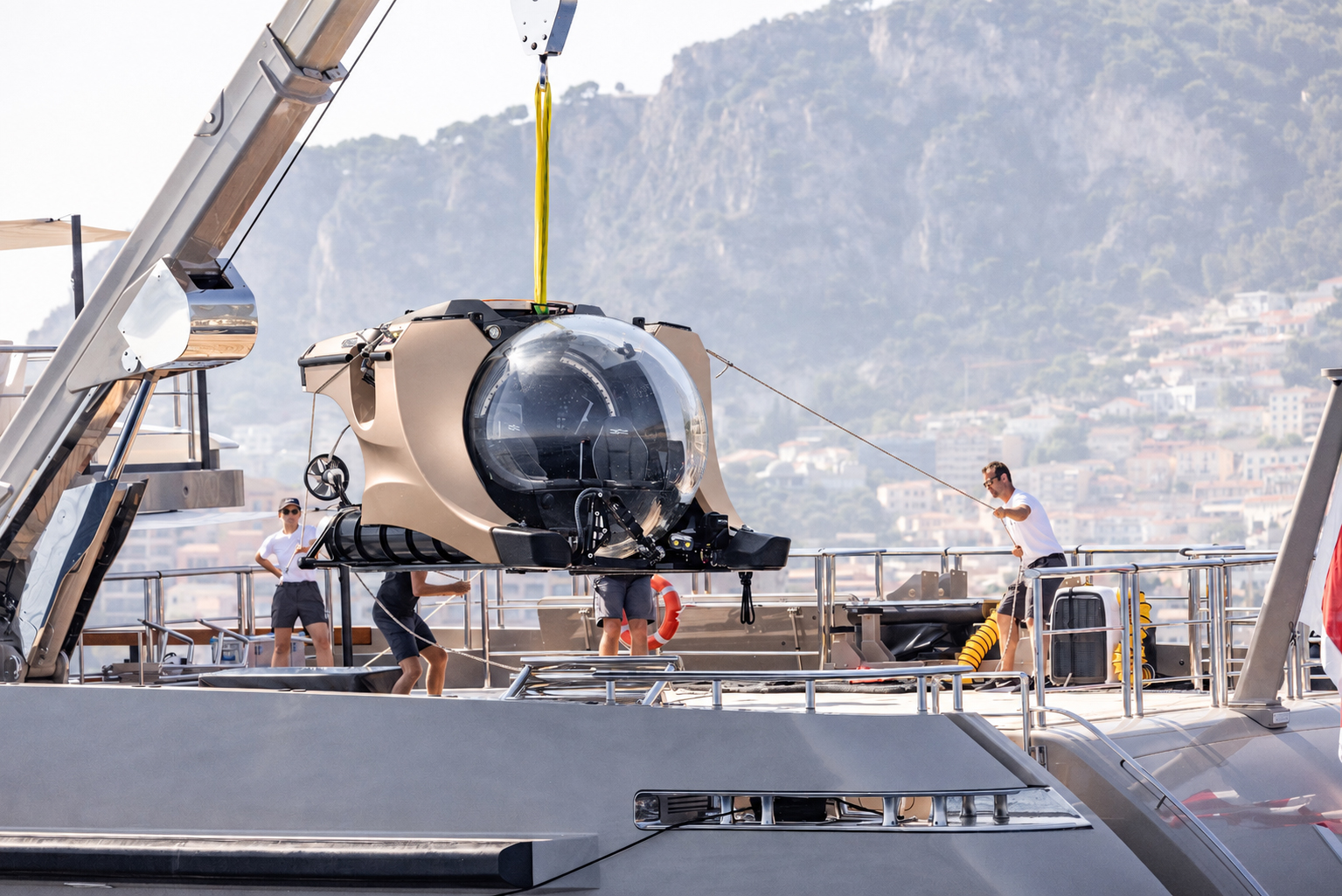
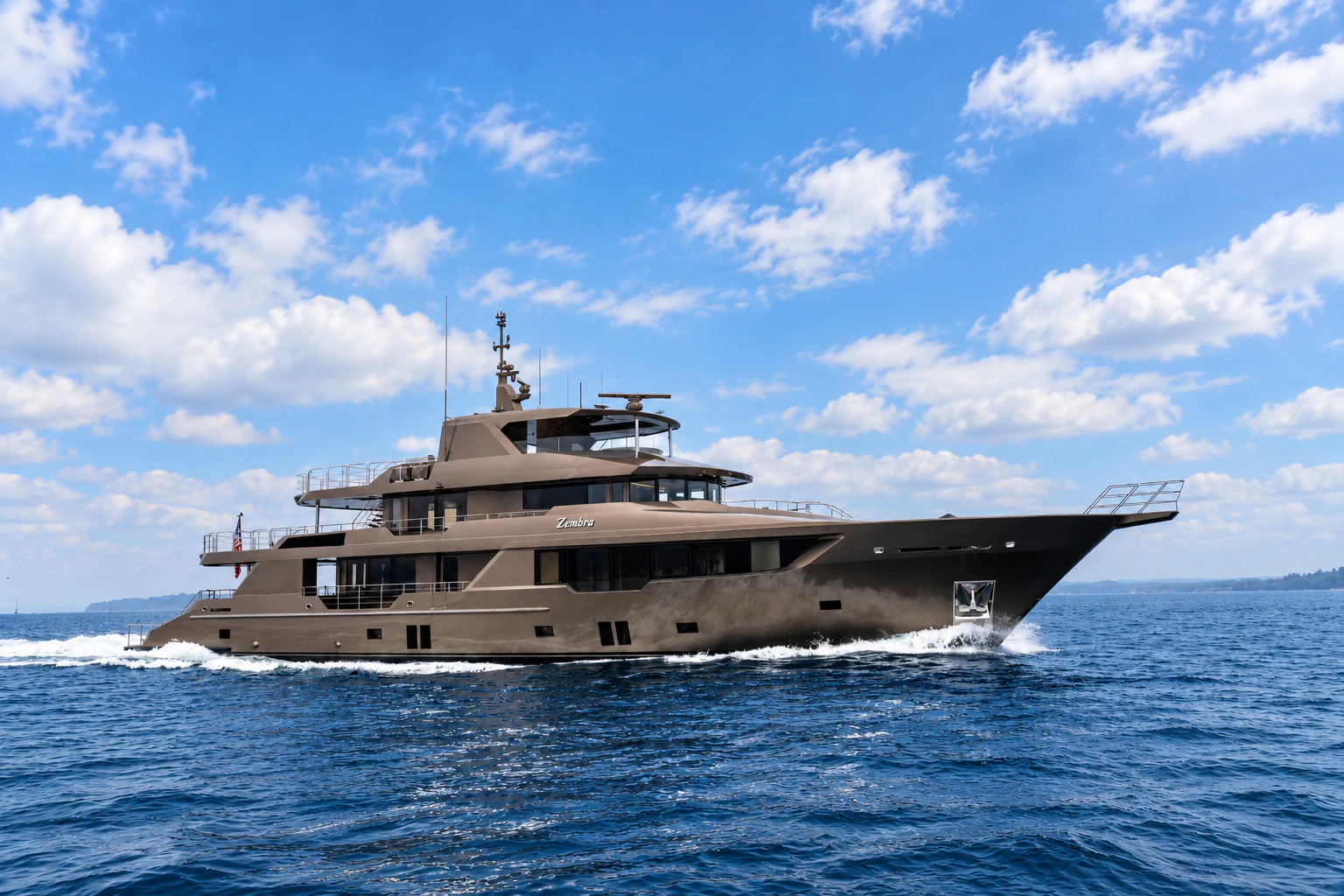
ZEMBRA, a 152’ (46.33m) Delta Marine expedition yacht, provides an example of a highly specialized exploration platform. She is designed to carry an ICON A5 amphibious aircraft, a three-person U-Boat Worx submarine, a Boxfish ROV and a scientific wet laboratory. Her design also supports a 55-foot JR Marine catamaran shadow vessel with an A-frame launch system, hydraulic beaching bow ramp, scuba compressor station, a touch-and-go helipad and solar array. The aircraft, submersible and shadow catamaran are available separately.
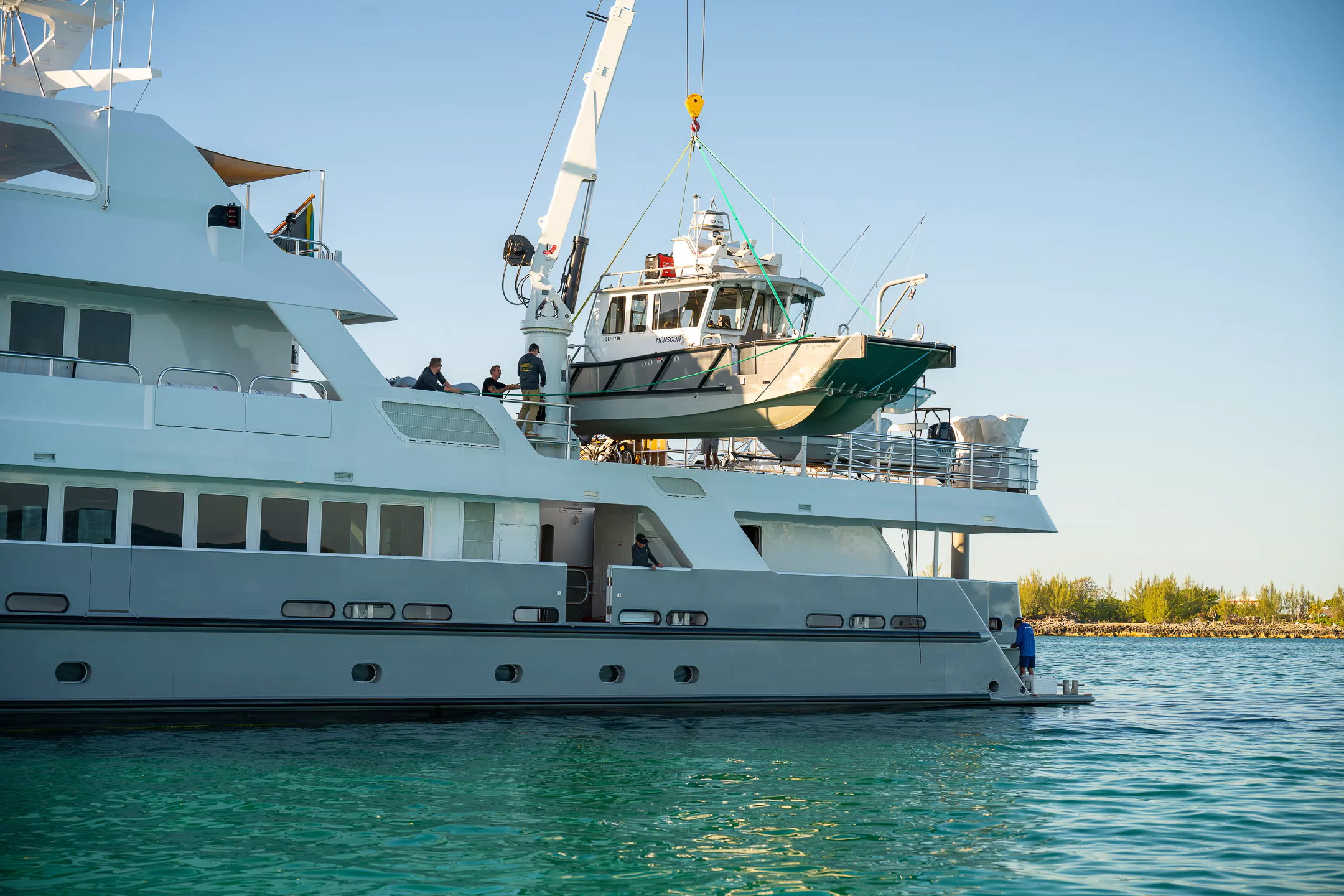
The point is not that every explorer yacht needs this level of equipment. Rather, ZEMBRA shows how the platform can be designed around a specific owner’s definition of exploration, whether that involves diving, scientific work, aviation, fishing or accessing remote shorelines.
Self-Sufficiency and Redundancy
An explorer yacht may spend extended periods away from established marinas and shore-based infrastructure. As a result, redundancy and self-sufficiency are often central to the design. Depending on the yacht, this may include multiple generators, watermakers, substantial fuel and freshwater capacities, robust communications systems and backup equipment. Engine-room access and the ability to service onboard systems are also important when traveling far from specialist support.
COMPASS ROSE carries 51,720 gallons of fuel and 6,000 gallons of freshwater. Her systems include multiple independent sea chests, gravity-fed day tanks and a fuel centrifuge purification system. VANGUARD combines diesel-electric hybrid propulsion with commercial dynamic positioning and a cruise-speed burn rate of 3.5 liters per nautical mile.
Comfort Does Not Have to Be Sacrificed
Explorer yachts are sometimes associated with utilitarian interiors, but modern examples can offer the same level of comfort and refinement as more traditional luxury yachts. Spacious salons, private offices, wellness areas, beach clubs, gyms and large outdoor decks are all possible within an explorer yacht. The additional volume associated with many exploration-focused designs can create room for both technical capability and generous guest accommodations.
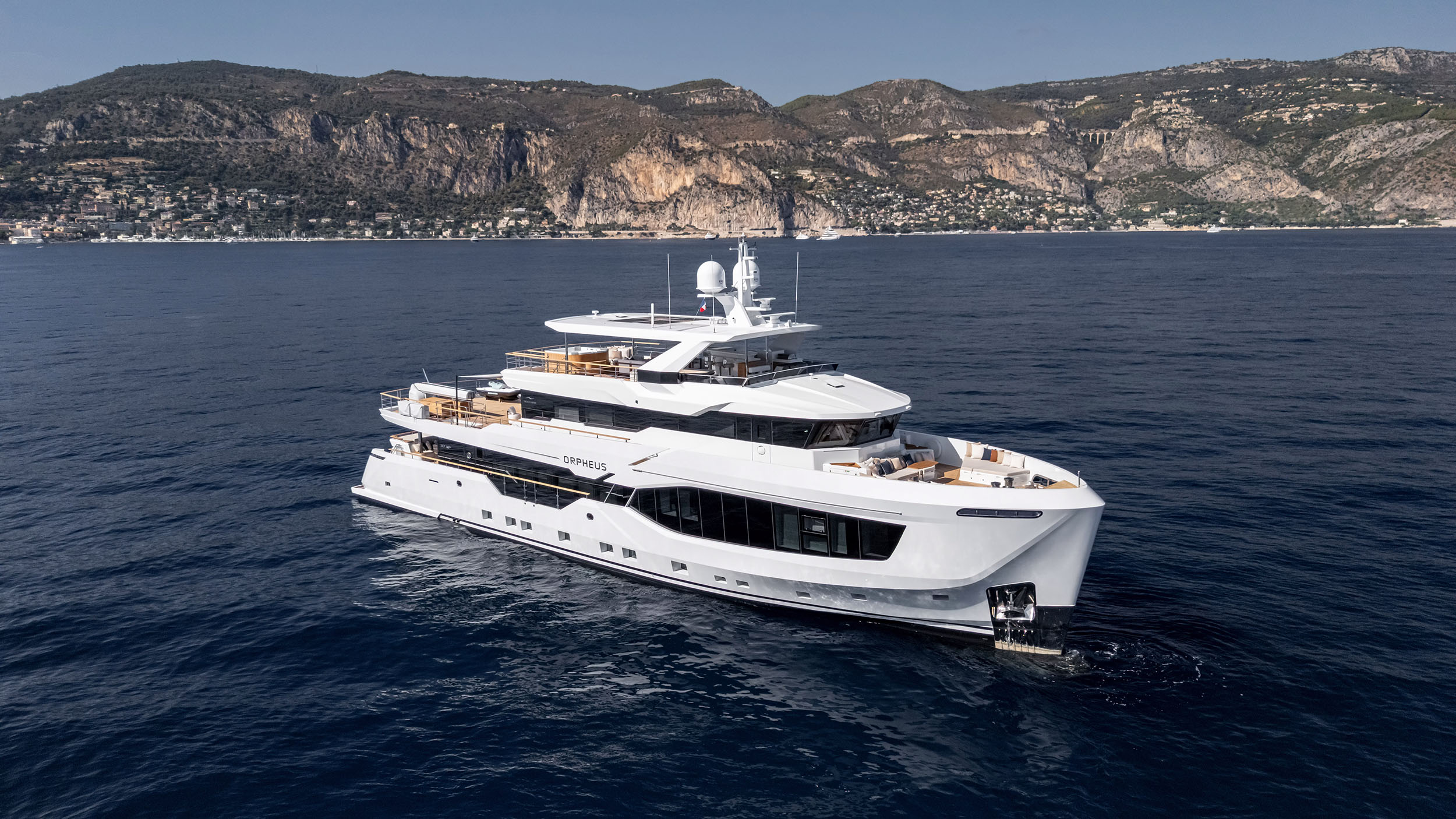
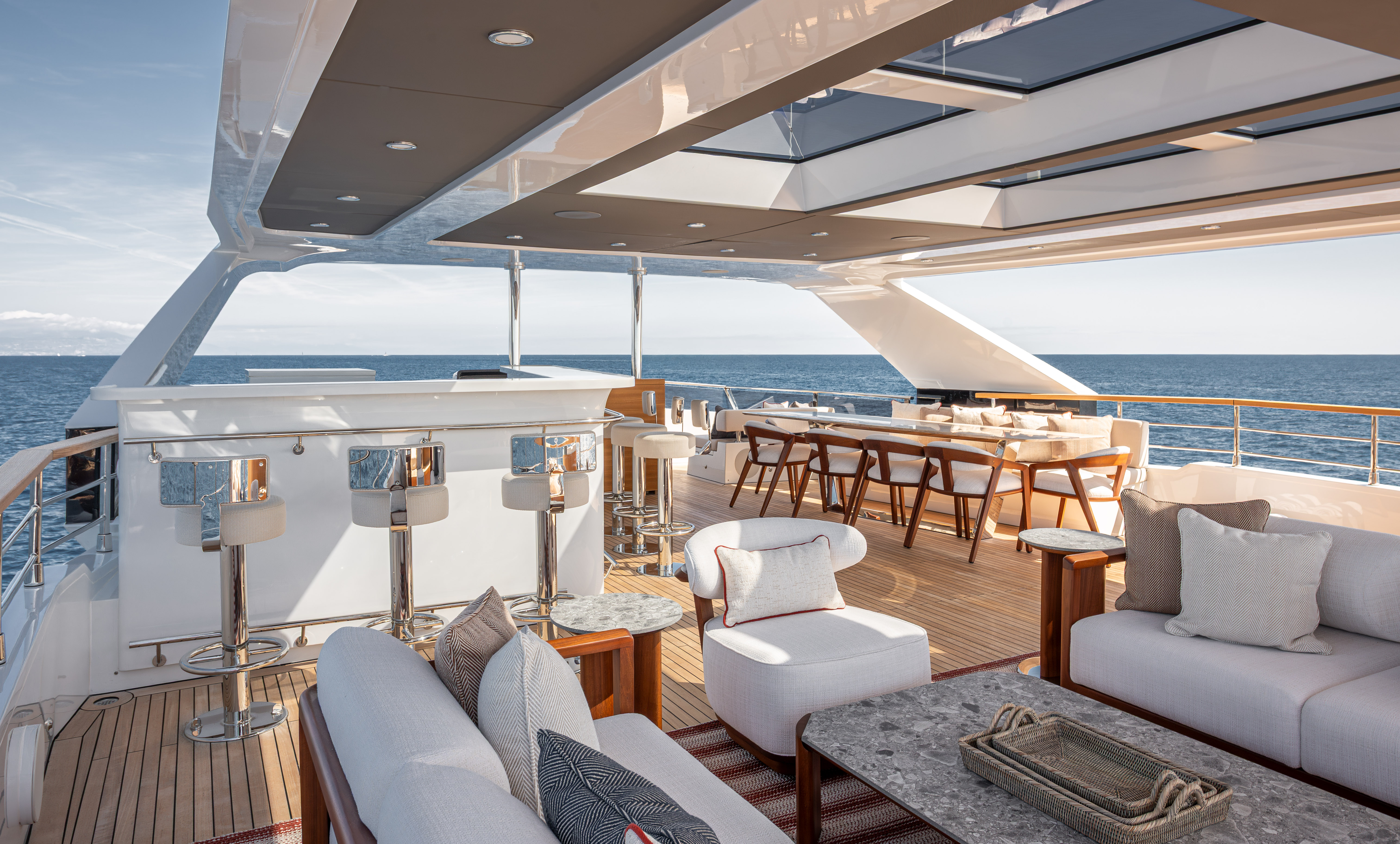
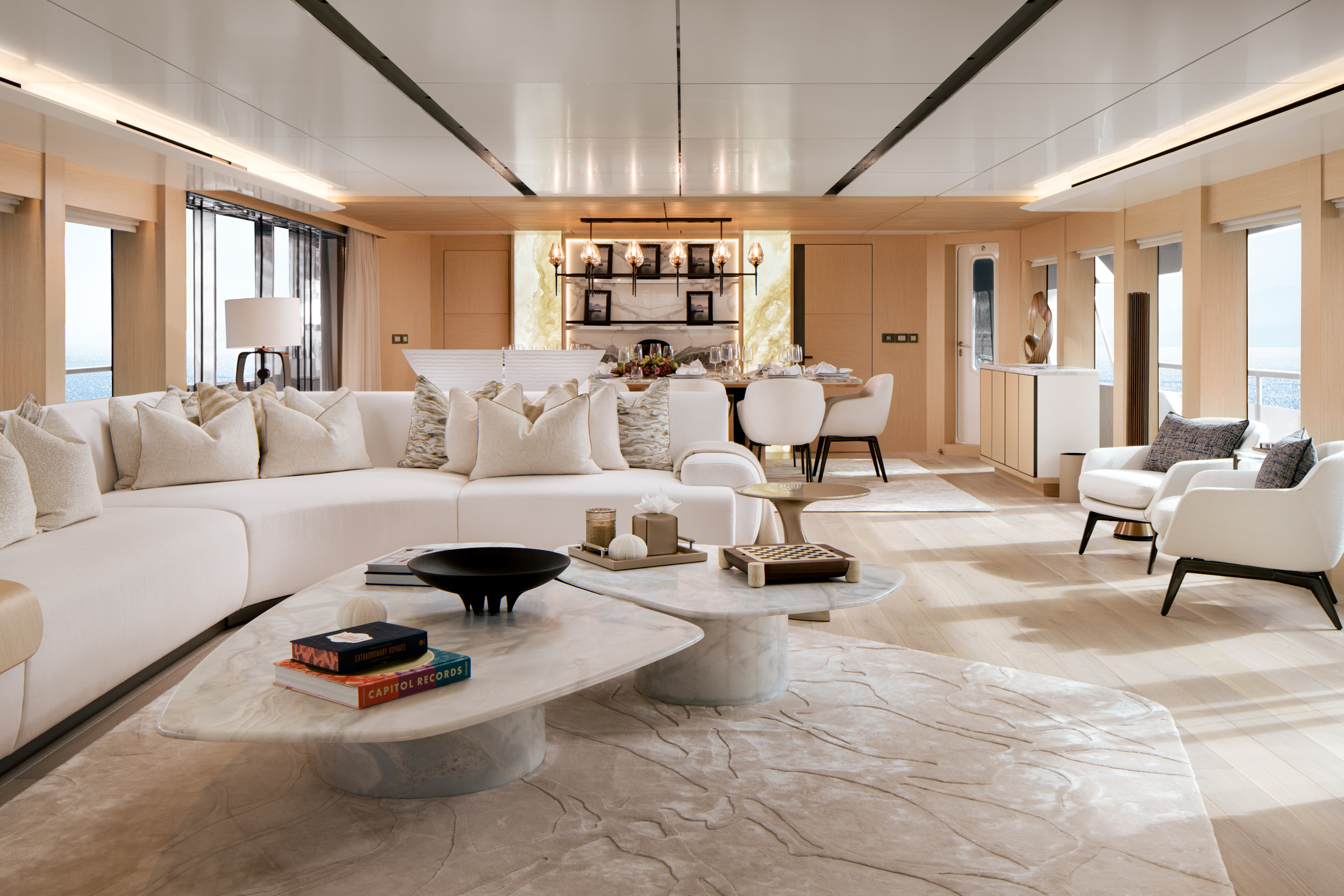
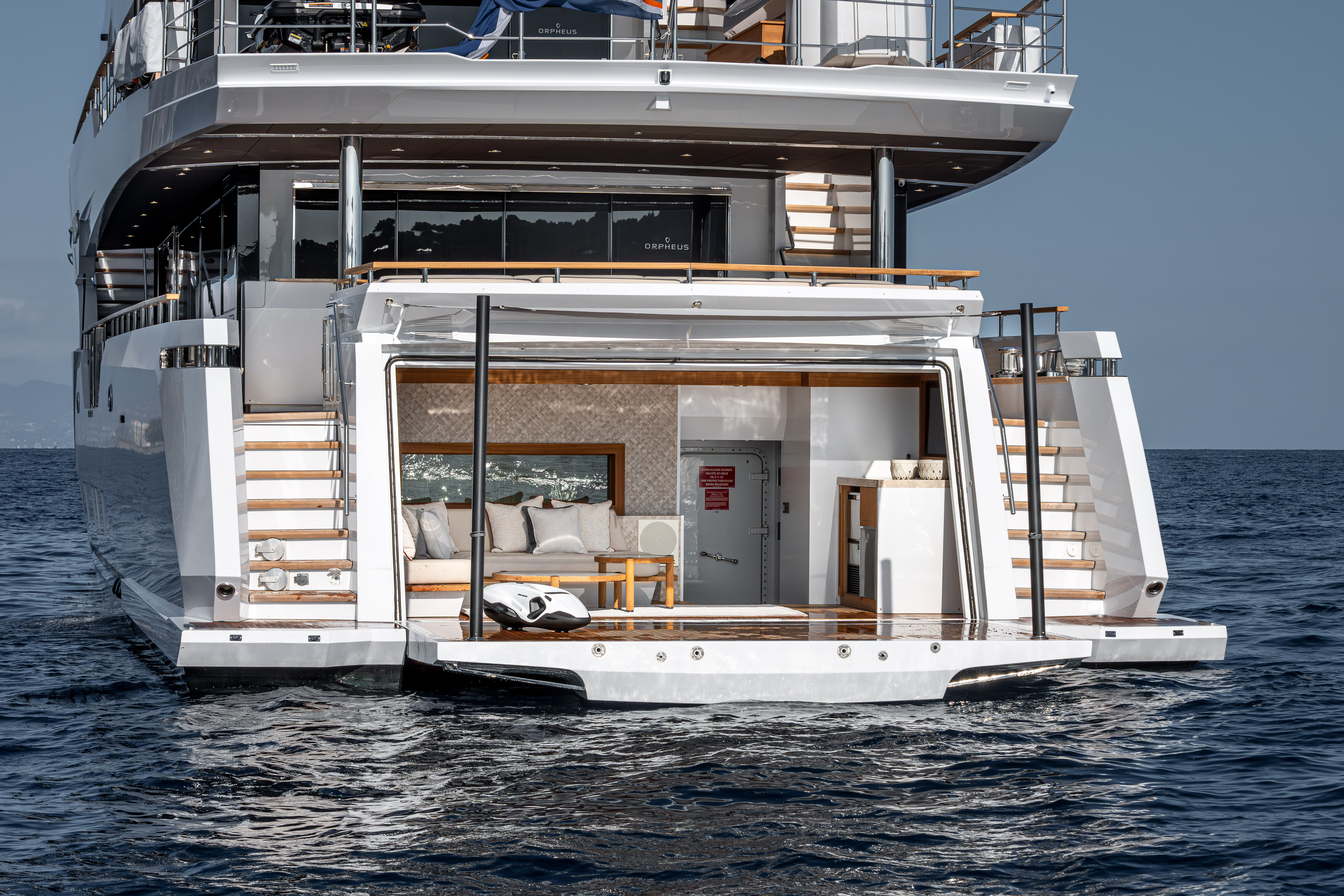
ORPHEUS is a perfect example. Launched in 2025, the 121’ (37m) Numarine features a custom interior by Sturge & Toth, which won Best Interior Under 40m at the 2026 International Yacht & Aviation Awards. Floor-to-ceiling windows bring natural light into the main salon, while a formal dining area with a fold-out balcony creates a seamless connection between the interior and the sea.
Her seven-stateroom layout includes a private owner’s deck with an aft seating area, a second owner’s or VIP suite on the main deck and five additional guest staterooms below deck. Outside, the sundeck is arranged for entertaining with a Jacuzzi, bar, dining area and multiple lounging spaces. A beach club with comfortable seating and a sauna provides a dedicated space for relaxing after time in the water, while two Jet Skis, SEABOBs and a tender support days spent exploring from the yacht.
Questions to Ask Before Buying an Explorer Yacht
Before moving forward, buyers should consider:
- Where do I want to cruise, and what conditions will the yacht encounter?
- How much range do I actually need?
- Will I need ice capability or a commercial classification?
- What tenders, toys and specialist equipment must be carried?
- How many guests and crew will the yacht accommodate?
- Are the technical systems suitable for extended time away from support?
- What refit or equipment upgrades may be required?
- Can the yacht access the ports, anchorages and waterways I want to visit?
- The best explorer yacht is not necessarily the largest or most heavily equipped, but the yacht that matches the owner’s intended itinerary, level of independence and expectations.
Explore Explorer Yachts With Northrop & Johnson
Northrop & Johnson’s sales fleet includes explorer yachts from a range of builders, including Numarine, Naval Yachts, Ocean King, Delta Marine, Doggersbank and more.
Speak with a Northrop & Johnson yacht broker to compare available opportunities and identify an explorer yacht suited to your cruising plans.
Explore N&J's Top Explorer Yachts for Sale





Read Next


November 6, 2026
Lifestyle

Navigator Newsletter Stay informed on all things yachting and luxury lifestyle with the bi-monthly Navigator newsletters.
Sign up for Navigator newsletter