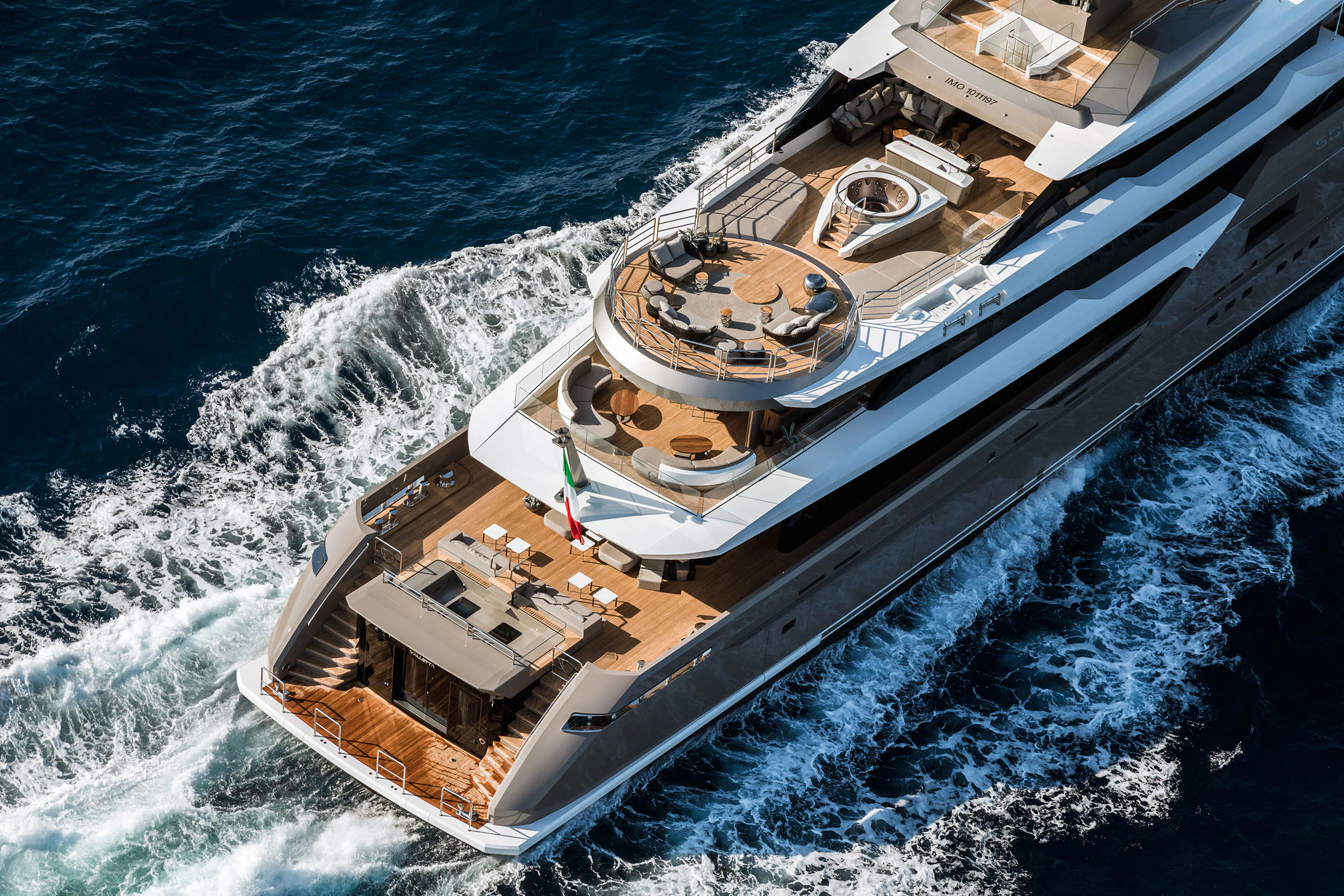
New Yachts vs Used Yachts
Figures in Northrop & Johnson’s Q3 2026 Superyacht Market Report show that despite a slight YOY decline in yacht sales, buying a yacht remains a natural next step for many ocean lovers. However, choosing the type of yacht that suits you best is only half the story. Once you decide, the question becomes, “Should I buy a new or used yacht?” Here’s where the expertise of an established global yacht broker can be essential.
Keep reading to decide whether to buy a new or used yacht, as we discuss the pros and cons of each option and offer tips for enquiring with a broker.
Buying a new or used yacht: Which is right for you?
Is it better to buy a new or used yacht? For the most part, choosing new or used depends on your preferences around pricing and subsequent costs, vessel capacity, and personalizing the yacht. Helpful questions you should ask yourself to guide your purchase include:
What’s the timeline?
A pre-owned yacht is usually the quicker route for buyers who want to get out on the water. Once an offer is accepted, closing the sale typically takes six to eight weeks, allowing time for sea trials and surveys.
A new build, on the other hand, needs more flexibility. Depending on the type of yacht and degree of customization requested, it can take over a year to complete the build once construction begins. In addition to this, many leading shipyards now have waiting lists over a year long, extending construction time.
All boats also go through a shakedown period when every component and system is tested to iron out any issues. Buyers should find out how long this will take and factor it into the timeline from purchase to first use.
What’s the budget?
The purchase price is only part of the picture, as buyers also need to budget for running costs. For a brand-new yacht, these can be loosely estimated at around 10% of the purchase price each year, though this rule of thumb applies less to particularly large or pre-owned yachts. A used yacht usually costs less upfront but, depending on its age and build, its running and potential maintenance costs increase over time.
Paying for future repairs is a key consideration. New yachts have an original manufacturer’s warranty directly from the boat builder that covers structural, mechanical, and system defects. A used yacht’s original warranty is likely to have expired, so you may need to budget for future repair or replacement work.
Are there plans to customize the boat?
A brand-new yacht is the superior choice if you want a bespoke vessel, although the degree of customization available depends on the build type.
- Production yachts follow a fixed design, with flexibility usually limited to interior finishes or a choice of pre-designed interiors.
- Semi-custom yachts start from an established platform but let buyers personalize the layout, materials and some technical features, such as the engine type.
- Full-custom yachts are designed from scratch and built to order, offering the greatest design freedom.
- Used yachts rarely accommodate significant changes, as buyers inherit the previous owner’s design and specification.
Is resale value important?
Yacht depreciation deserves careful thought for buyers who plan to sell the vessel at some point. Everything from vessel age to shipyard reputation, engine hours, and maintenance history influences resale value. Highly personalized interiors and customizations can also narrow the pool of future buyers, making the yacht harder to sell. Factoring this into the purchase helps manage expectations if the yacht is to be sold at a later date.
Pros and cons of buying a used yacht
| Pros | Cons |
| Modern design without the new-build premium | Less consistent paper trails |
| Immediate availability | Less warranty protection |
| A clearer picture before committing | Inherited specification |
Benefits and challenges of buying a new yacht
| Pros | Cons | |
| Full or partial customization | Steeper depreciation | |
| Manufacturer warranty | Long waiting times for bespoke construction | |
| Lower initial maintenance costs | More costly upfront |
Top questions to ask your yacht broker when enquiring about a new or pre-owned yacht
- What’s the yacht’s current condition?
- What’s the resale value of the yacht likely to be?
- What are the operating costs?
- Which finishes, equipment, and services are included with purchase?
- Does the boat come under warranty?
- Is the yacht appropriately staffed for use?
- Does the ship come with the appropriate, verified documentation?
Basic document and information checklist when buying a yacht
| Documents and information | New yacht | Used yacht | Why it matters |
| Sale and purchase agreement (with inventory) | ✓ | ✓ | Sets out the terms of the deal in writing and protects both buyer and seller. |
| Bill of Sale | ✓ | ✓ | Drafted by the broker. Records the boat’s registration number, make, model and year. |
| Builder’s Certificate | ✓ | Desirable | Issued by the manufacturer to confirm the first owner of the vessel. |
| Warranty documents | ✓ | Desirable if a historic warranty still applies | Confirms what’s covered and supports your insurance. |
| Existing registration documents | Not applicable | ✓ (if registered) | Confirms the boat’s current registration. You’ll need to register it yourself before sailing abroad. |
| Maintenance history | Not applicable | Desirable | Shows what work was done, when and by whom, and hints at future running costs. |
| Manuals | Desirable | Desirable | Help you operate and maintain the yacht’s systems. |
Buy a new or used yacht with the world’s leading yacht broker today
Our status as the world leader in luxury yacht sales is built on a 75-year legacy of extensive yacht brokerage expertise and global reach. Buyers can learn more about the next step towards setting sail through our new and pre-owned yacht buying guide.
Explore the full Northrop & Johnson collection of new and pre-owned yachts for sale, and speak to one of our brokers to make an inquiry.
Read Next


November 12, 2026
Lifestyle

Navigator Newsletter Stay informed on all things yachting and luxury lifestyle with the bi-monthly Navigator newsletters.
Sign up for Navigator newsletter