October 12, 2026
Brokerage & New Build
Beyond engineering, today’s superyachts are defined by craftsmanship. From intricate marquetry to sculptural metalwork and innovative materials, Navigator explores the artisans shaping truly bespoke spaces at sea.
In today’s world of superyachting, true luxury is defined not only by innovation, performance, and engineering excellence, but by the artistry and craftsmanship found in every detail. The finest yacht interiors are no longer simply designed as functional spaces; they are carefully curated environments that reflect the personality, values, and lifestyle of their owners. From hand-finished surfaces and bespoke furniture to the seamless integration of traditional techniques with cutting-edge technology, every element contributes to a unique narrative.
This exploration examines how artisans, designers, and shipyards are reshaping the future of yacht interiors through collaboration, personalization, and a dedication to exceptional craftsmanship. By combining creativity, technical expertise, and a deep respect for materials, they create spaces that transcend trends, offering owners a truly individual experience where every detail carries meaning and every piece becomes part of the yacht’s story.
Founder, Silverlining Furniture

Founded by Mark Boddington, Silverlining Furniture is an internationally recognized creator of bespoke and limited-edition furniture, combining traditional craftsmanship with innovative materials to deliver highly personalized designs for superyachts and luxury interiors.
CEO, F/YACHTING

Part of F/LIST, F/YACHTING specializes in bespoke yacht interiors, seamlessly combining advanced engineering, material innovation, and refined craftsmanship to deliver highly tailored, technically sophisticated solutions for superyacht interiors.
In today’s world of superyachting, true luxury is defined not only by innovation, performance, and engineering excellence, but by the artistry and craftsmanship found in every detail. The finest yacht interiors are no longer simply designed as functional spaces; they are carefully curated environments
that reflect the personality, values, and lifestyle of their owners. From hand-finished surfaces and bespoke furniture to the seamless integration of traditional techniques with cutting-edge technology, every element contributes to a unique narrative. This exploration examines how artisans, designers, and shipyards are reshaping the future of yacht interiors through collaboration, personalization, and a dedication to exceptional craftsmanship. By combining creativity, technical expertise, and a deep respect for materials, they create spaces that transcend trends, offering owners a truly individual experience where every detail carries meaning and every piece becomes part of the yacht’s story.
Step aboard a modern superyacht and it quickly becomes clear that engineering alone no longer defines excellence. Instead, it is the tactile details – the grain of timber beneath the fingertips, the glow of a hand-finished surface, the precision of a perfectly balanced form – that sets the tone. Increasingly, it is craftsmanship that transforms a yacht from a feat of engineering into something deeply personal.
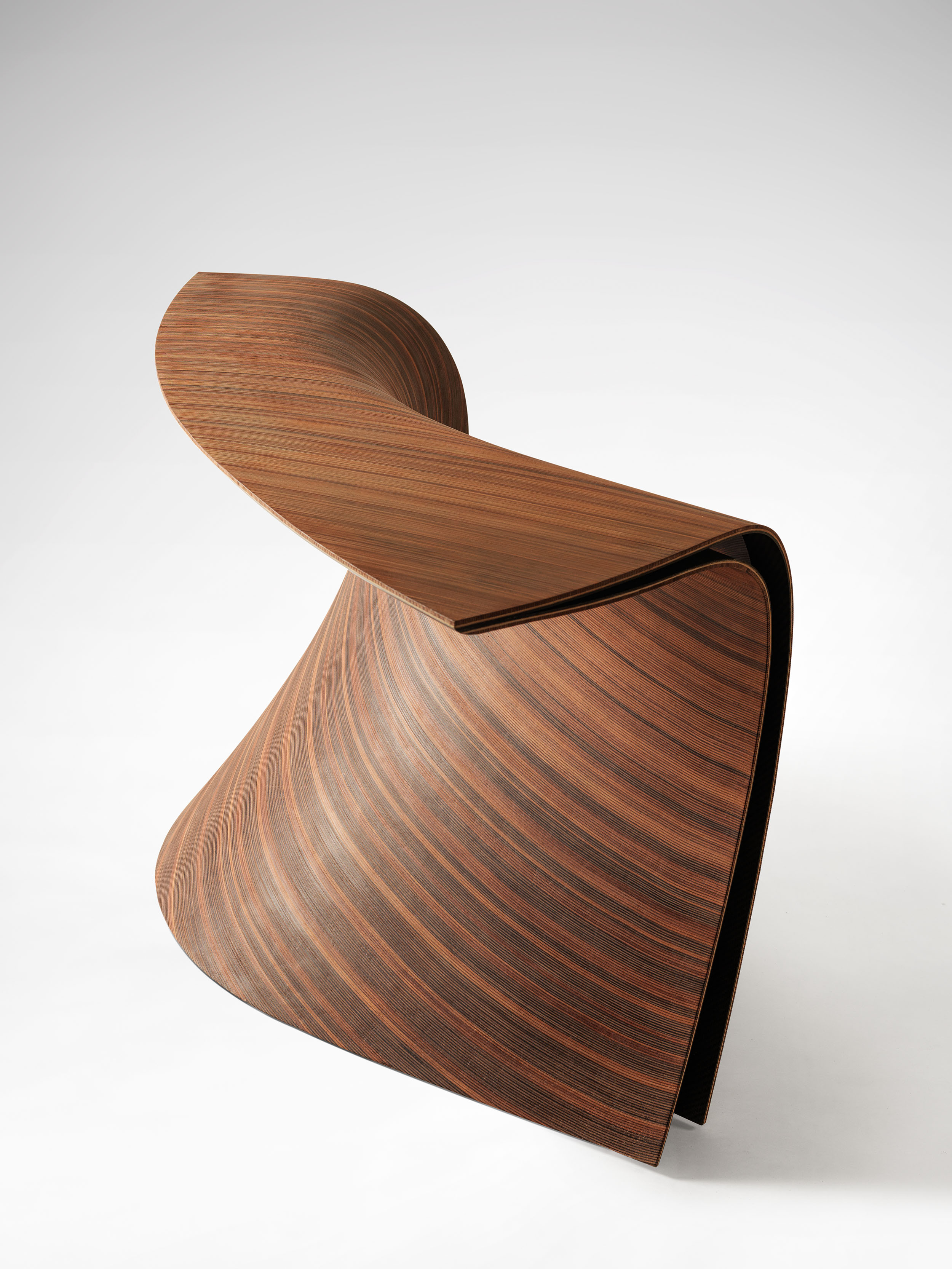
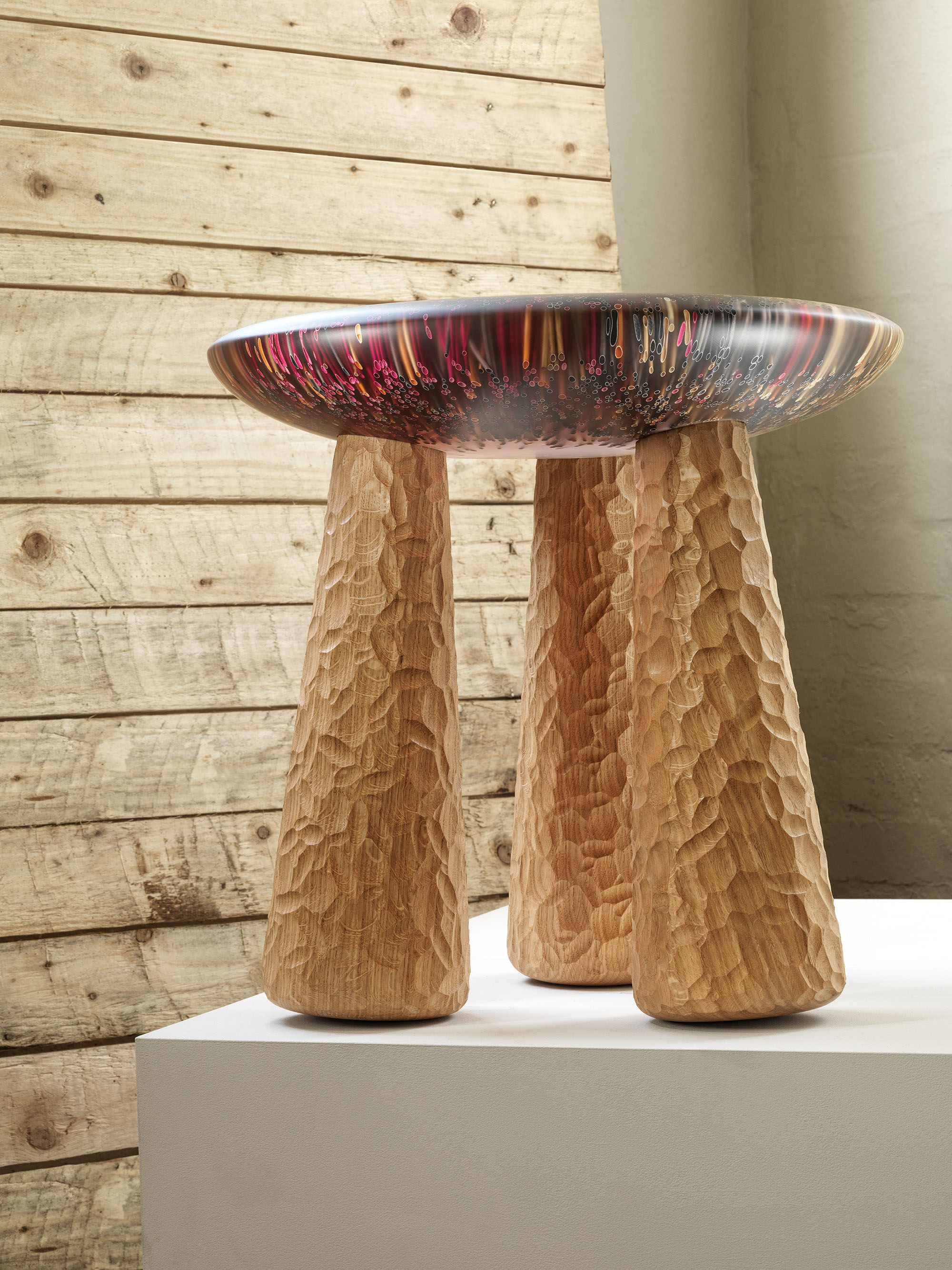
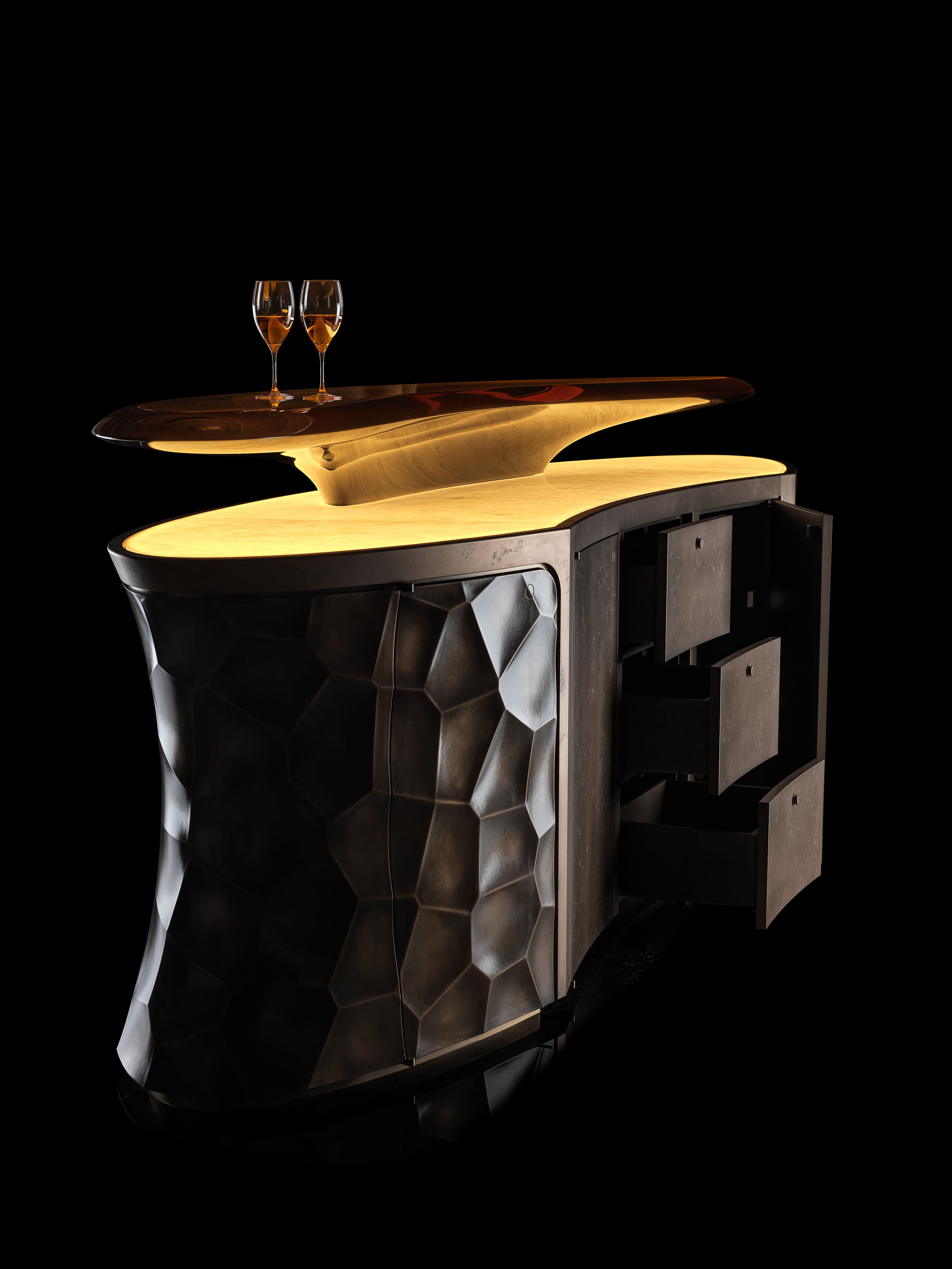
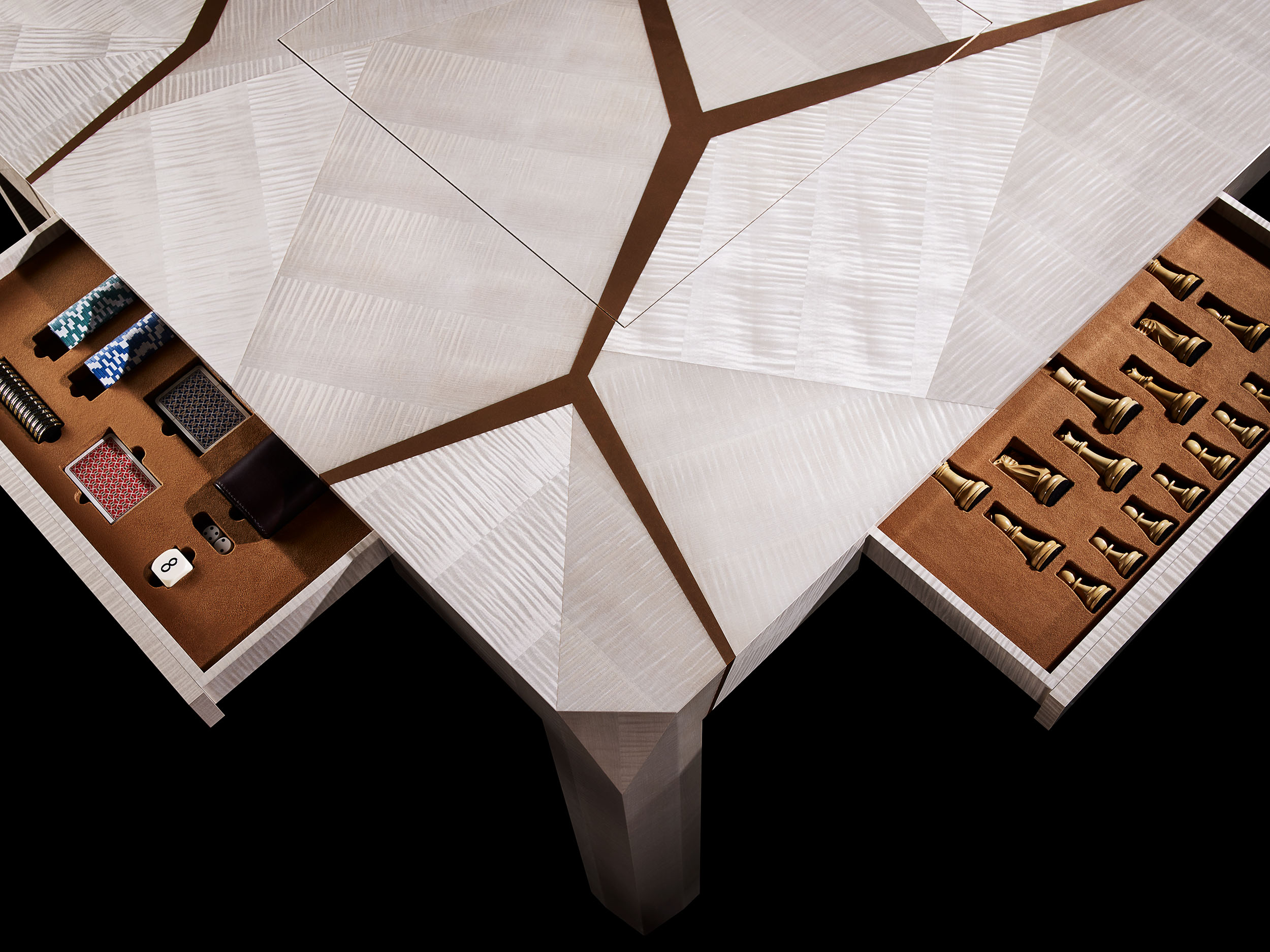
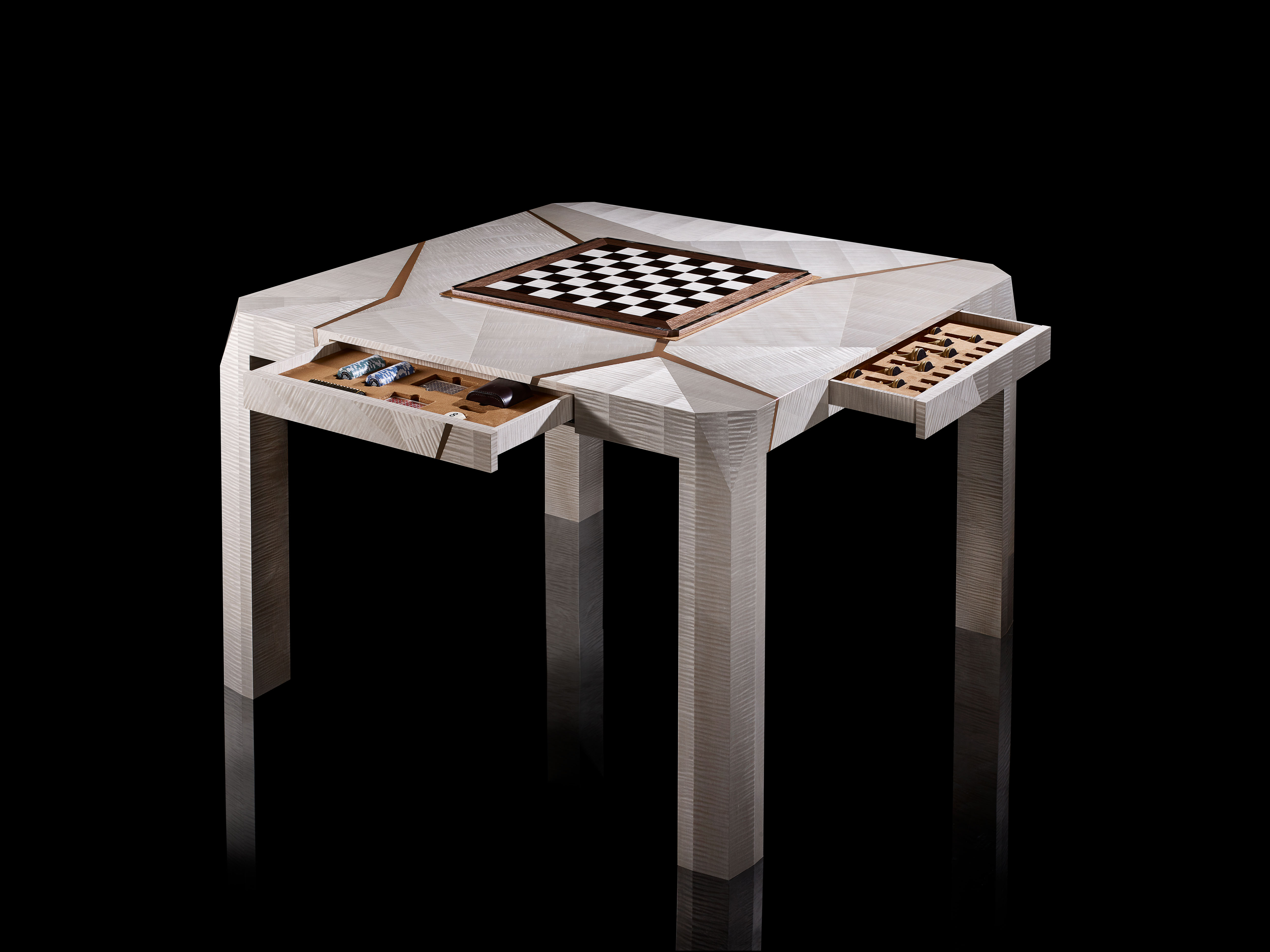
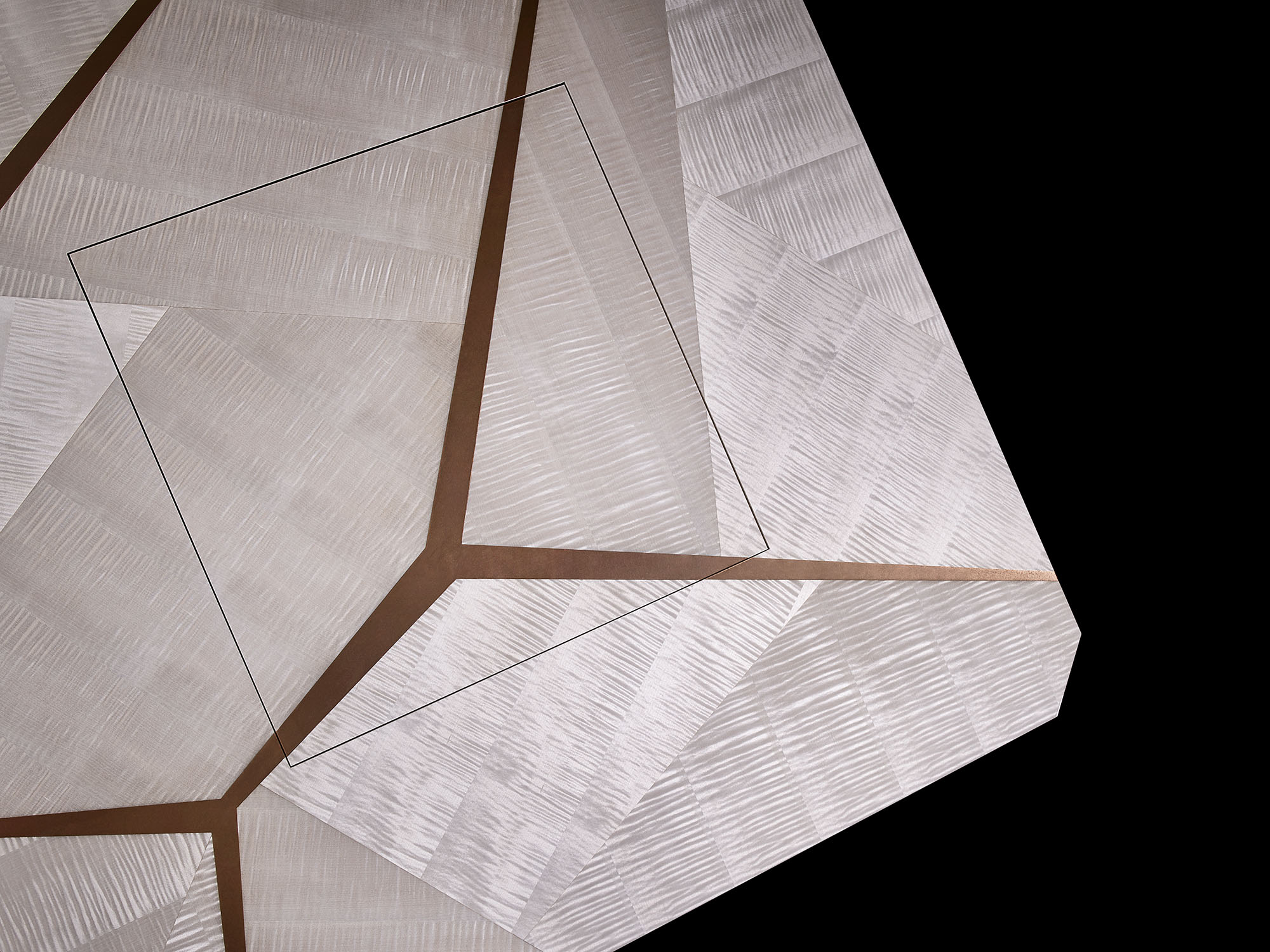
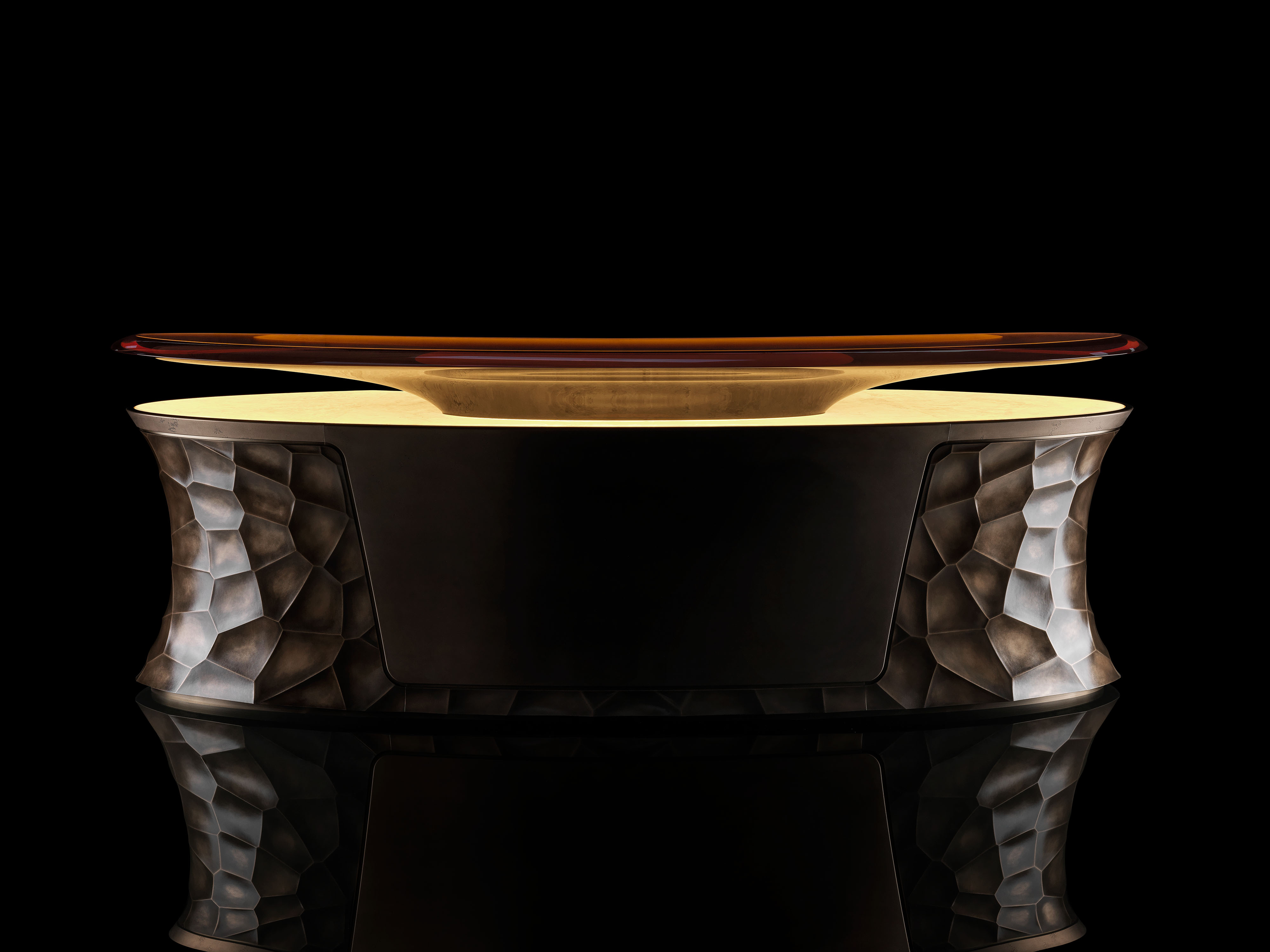
For Mark Boddington, Founder of Silverlining Furniture, this reflects a broader change in how owners engage with design. “Bespoke pieces offer yacht owners something fundamentally different from even the finest off-the-shelf furniture: their personal creative expression. Clients can choose the craftsmanship techniques, the materials, the scale, and how each piece relates to their specific space and lifestyle.” This level of control allows furniture to become more than functional; it becomes narrative. Owners are no longer selecting pieces; they are commissioning them as extensions of identity. “A client might request marquetry in a particular style, specify the exact timber and its finish, or ask for a piece to integrate with the yacht’s architecture in a way that would be impossible with ready-made furniture,” Mark explains. “When clients visit our workshop, meet the craftspeople making their furniture, and see techniques like hand veneering or wood turning in progress, they become patrons of the craft themselves. That patronage creates a connection to the creative process that changes how they experience the finished piece.”
This connection between object and owner is echoed by F/YACHTING. “Owners want interiors that reflect their lifestyle, values, and individuality, spaces that cannot be replicated or sourced off the shelf,” says F/YACHTING CEO Werner Kartner. “On a yacht, every detail carries meaning, and craftsmanship is what gives those details depth and authenticity.”
As expectations evolve, so too does the nature of bespoke design. Today’s clients are more informed, more engaged, and more invested in the process than ever before. For F/YACHTING, this shift reflects a broader redefinition of individuality. “Clients today are deeply involved in the creative process and increasingly interested in how something is made, not just how it looks,” Werner explains. “One-of-a-kind no longer means decorative complexity; it means intelligent, purpose-driven solutions that feel effortless, personal, and timeless.”
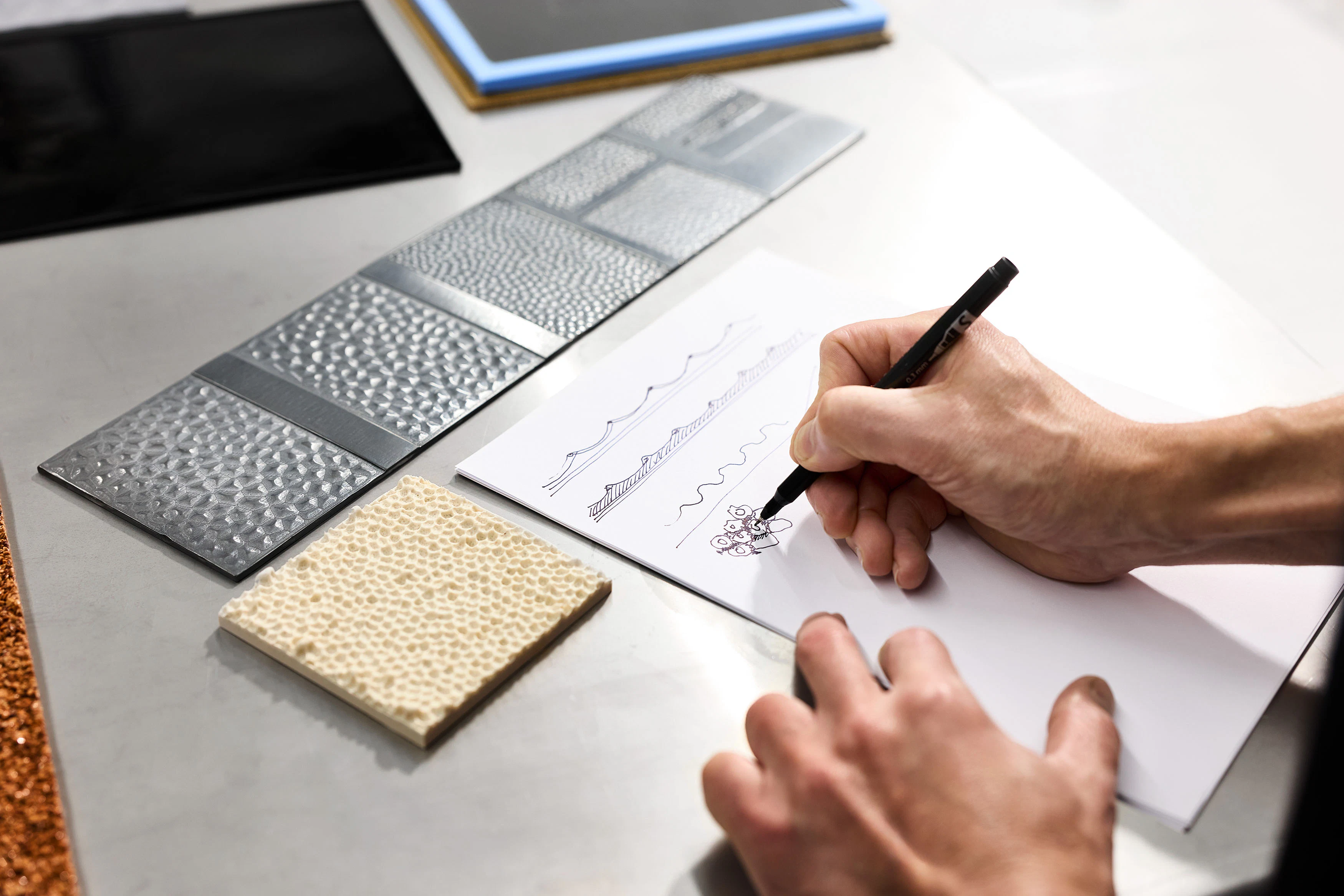
“They understand materials, appreciate craft techniques, and want to be involved in the design process,” says Mark. “We are seeing requests for pieces that incorporate personal narratives – timber from a meaningful location, a design inspired by a place that matters to them, or materials that connect to their own story.” He points to one project in which English brown burr oak from a fallen tree on the Castle Howard estate was transformed into a bespoke table. The piece, which now lives aboard a yacht in New Zealand, carries with it a tangible link to the owner’s past.
Nowhere is this evolution more evident than within the superyacht sector itself. Unlike residential environments, yachts offer a unique balance of freedom and constraint – spaces designed for both private retreat and social spectacle. “Superyachts are spaces designed for celebration and gathering, which creates an interesting dynamic. Owners often feel more freedom to be adventurous and eye-catching with their furniture choices,” says Mark.
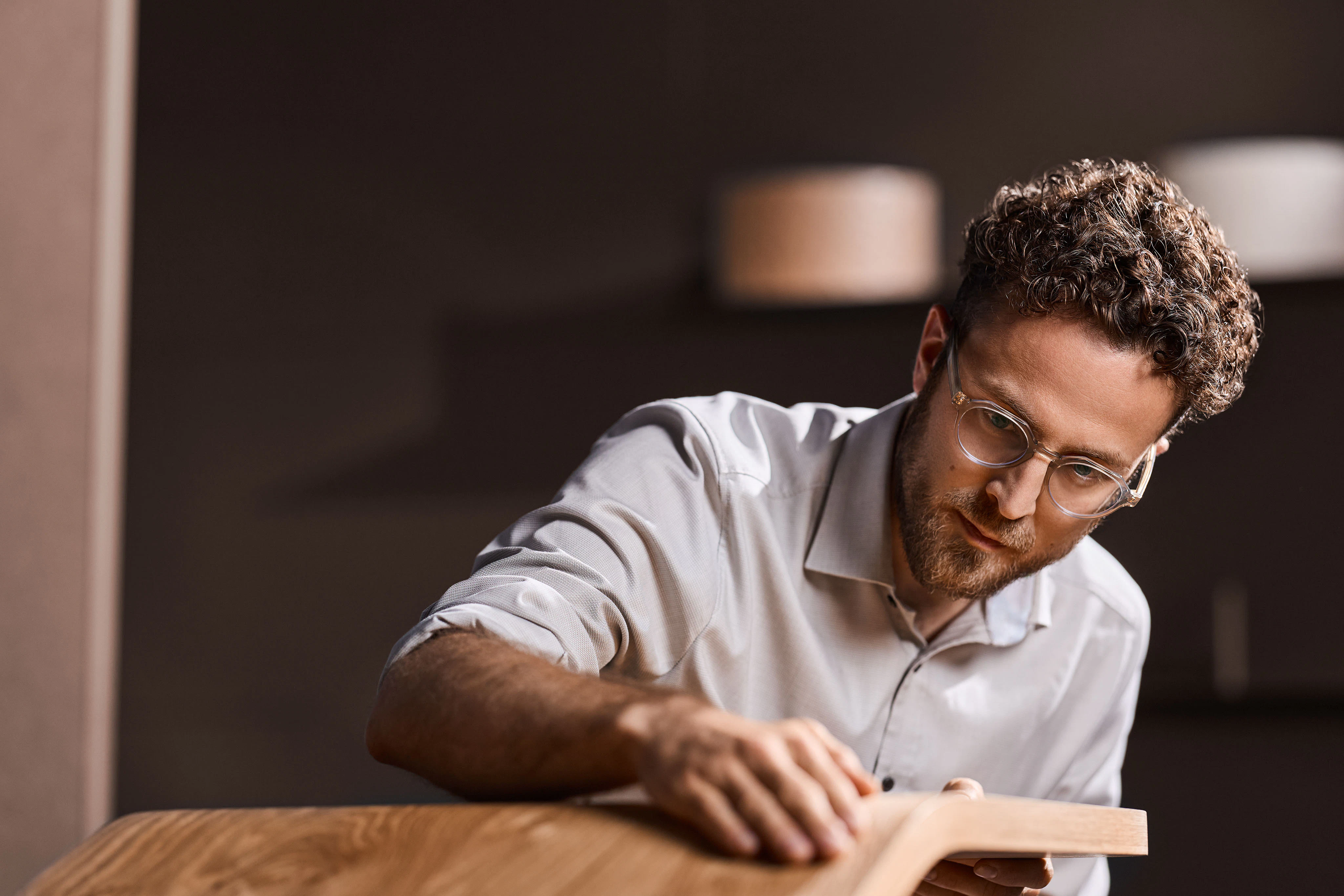
At the same time, these creative ambitions are shaped by rigorous technical demands. “Weight optimization pushes us to explore new materials and construction methods. Marine finishes require developing treatments that withstand salt air and humidity. Furniture that must perform in motion demands different joinery approaches and structural thinking.” For F/YACHTING, this balance defines the sector’s appeal. “The superyacht sector allows us to work at the highest level of customization while combining design, engineering, and craftsmanship in one holistic process,” says Werner. “It is a space where technical excellence and creative ambition must coexist.”
Behind every bespoke piece lies a complex network of collaboration, often beginning years before a yacht is delivered. Designers, shipyards, and artisans must work in close alignment to ensure that each element integrates seamlessly into the whole. “We aim to be involved as early as possible, often during concept development,” explains Werner. “Early engagement is critical because it allows design, engineering, and feasibility to evolve together. Through continuous dialogue, mockups, material development, and precise engineering, we ensure that every idea can be achieved to the highest standard, without compromise to aesthetics, performance, or longevity.” This sentiment is echoed by Silverlining. “We are typically involved two to three years ahead of delivery,” says Mark.
“The earlier we are part of the build team, the more efficient and successful the entire process becomes. We can develop samples that inform the overall design direction and work collaboratively with the interior designer to create furniture that is truly integral to the space.”
At the heart of contemporary craftsmanship lies a careful balance between tradition and innovation. Traditional techniques remain foundational, even as new technologies expand what is possible. “Techniques like marquetry and hand veneering have been practiced for centuries,” says Mark. “These hand skills are our cultural heritage, and we care about preserving them for future generations. Traditional marquetry taught us how to select veneers for grain and color, how to cut and piece them together to create patterns, and how to achieve seamless joins by hand.”
Yet modern technology has transformed how these skills are applied. “At Silverlining, we use lasers to not only cut but shade and etch to create 3D effects,” Mark explains, describing projects where traditional workmanship is enhanced by precision tools. “Traditional craftsmanship is our foundation,” says Werner. “Techniques passed down over generations inform how we work with materials, proportions, and details. The result is not nostalgia, but relevance: craftsmanship that is rooted in tradition yet perfectly suited to contemporary yachts.”
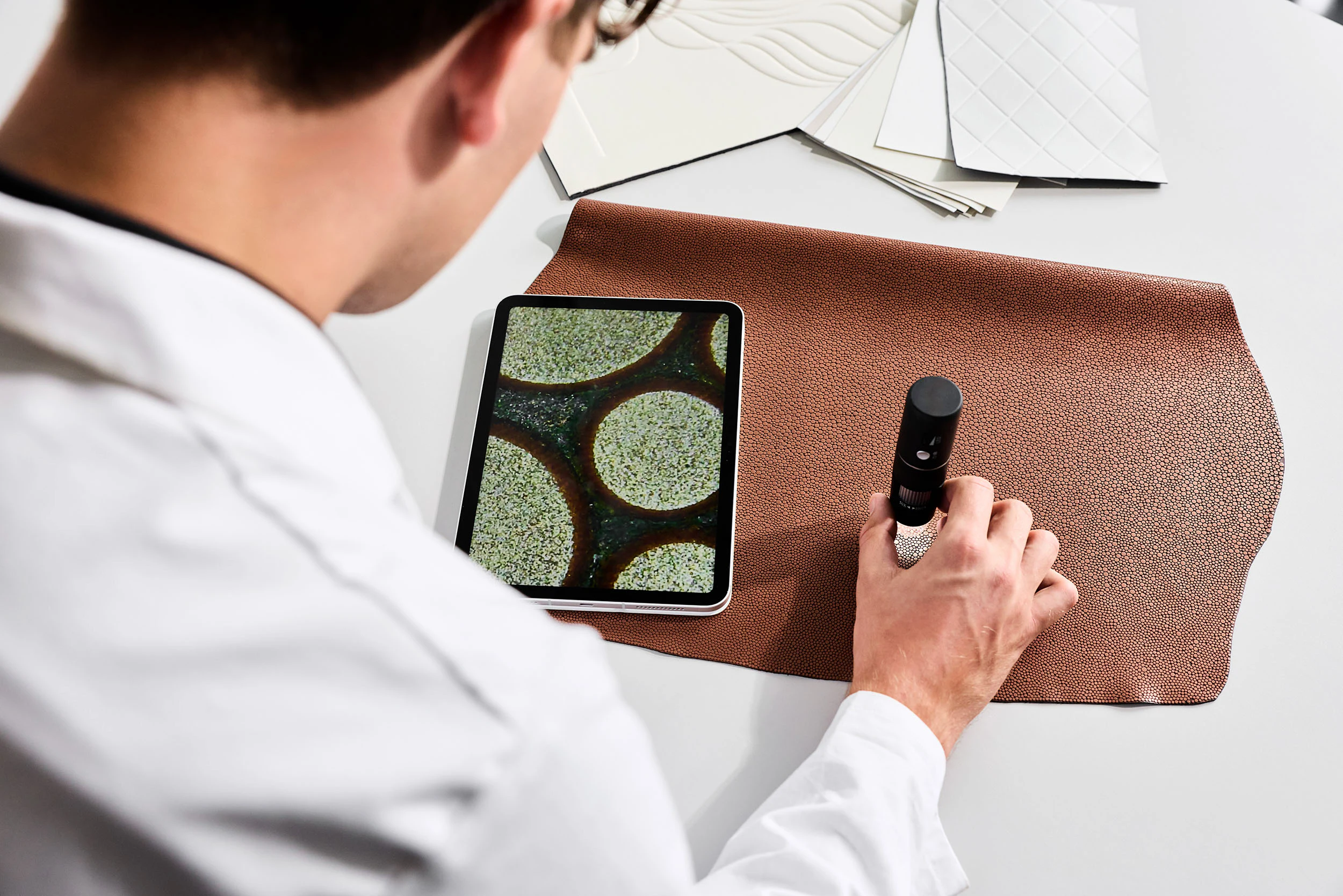
Materials themselves are becoming increasingly expressive, shaping both the aesthetic and technical performance of yacht interiors. “Material innovation is at the heart of our R&D department,” says Mark. “We invest significant time in understanding how new materials behave and developing techniques to work with them at the level of precision we require.” Sustainability is a key focus, with growing interest in recycled composites, bio-based resins, and reclaimed materials.
“We are exploring recycled paper composites, bio-based resins, eco-leathers, and reclaimed timber from historic buildings that carry their own stories.” “Technology plays a critical role,” says Mark. “CNC machining allows us to machine through material layers to reveal secondary colors and patterns, or to etch surfaces with precision that would be impossible by hand.” These developments are part of a broader shift. “We see strong momentum in advanced surface technologies, lightweight constructions, and hybrid material applications,” Werner explains. “These technologies don’t replace handcraft, they enhance it.”
Despite these innovations, the marine environment continues to impose unique challenges. Every piece must be engineered not only for beauty, but for resilience. “The technical challenges are specific to the marine environment,” says Mark. “For example, catches must be integrated into every door and drawer, so nothing opens during movement at sea.” The physical realities of life at sea shape design decisions in subtle ways. “Movement at sea means we design furniture with soft radiused corners so there is no risk of bumping into a hard edge,” Mark explains.
As yacht interiors continue to evolve, the role of the artisan is becoming ever more significant. “The future of craftsmanship lies in integration,” says Werner. “The most compelling work will come from combining human skill with intelligent engineering and technology.”
The value of handcraft has rarely felt more relevant. “As our lives become increasingly digital and AI-driven, artisanal expertise matters more than ever,” says Mark. “Hand skills remind us of what it means to be human.” Looking ahead, Mark anticipates closer collaboration between traditional makers and material scientists. “When these two fields work together, you get innovation that respects both craft and science.”
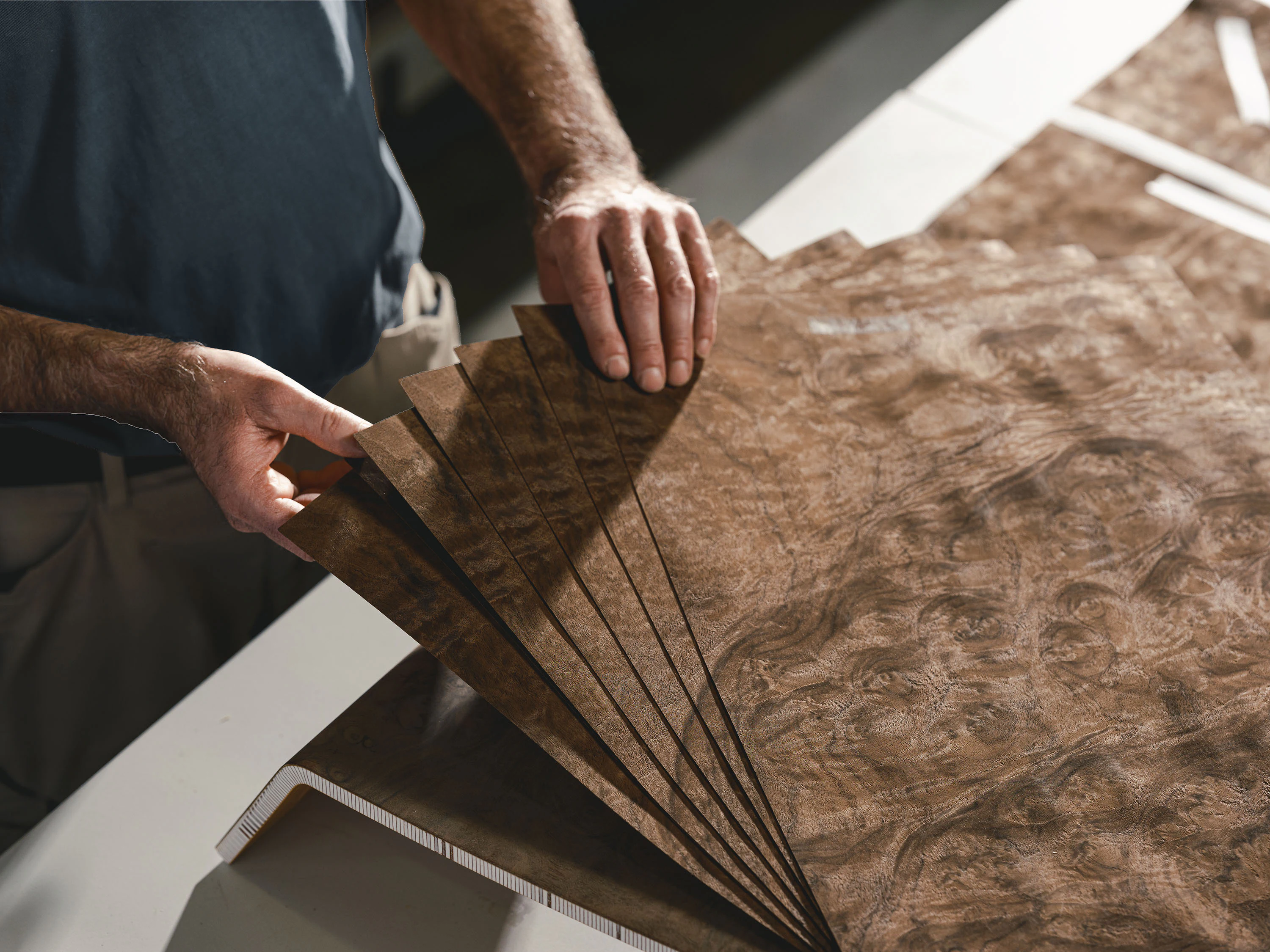
“As owners become more confident in pushing creative boundaries, the technical possibilities continue to expand alongside them,” concludes Mark. In the superyacht world, craftsmanship is defined not simply by what is made, but by how and why it is made. It is a discipline that brings together material, process, and narrative, transforming interiors into something far more personal. In a world where individuality defines luxury, the ability to create something entirely unique remains one of the most powerful expressions of life at sea.
Read Next
Navigator Newsletter Stay informed on all things yachting and luxury lifestyle with the bi-monthly Navigator newsletters.