
DONA FRANCISCA and the Engineering of a Golden Age Vision
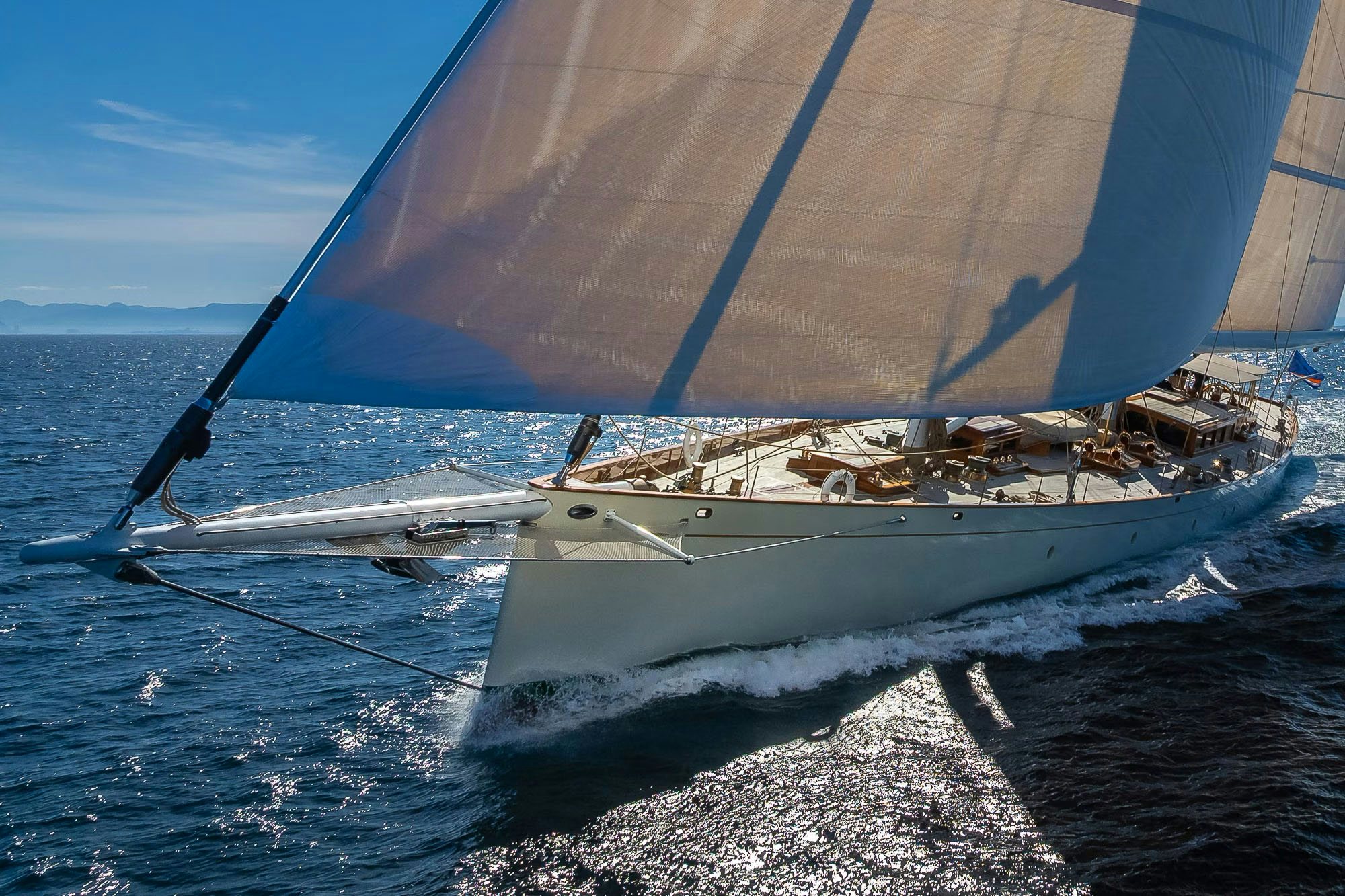
DONA FRANCISCA was conceived as a fusion of classic 1900s schooner design and modern carbon fiber construction, and she has already proven her capabilities with a successful Atlantic Ocean crossing in 2023.
Listed for sale with Yacht Broker Sean McCarter at an asking price of $14,900,000, she stands confidently in that rare space. She was constructed in Montevideo over five years in collaboration with global experts and is the product of an owner with an unwavering passion for sailing and a lifetime of passion, hard work and adventurous endeavors, and that clarity of vision defines the yacht.
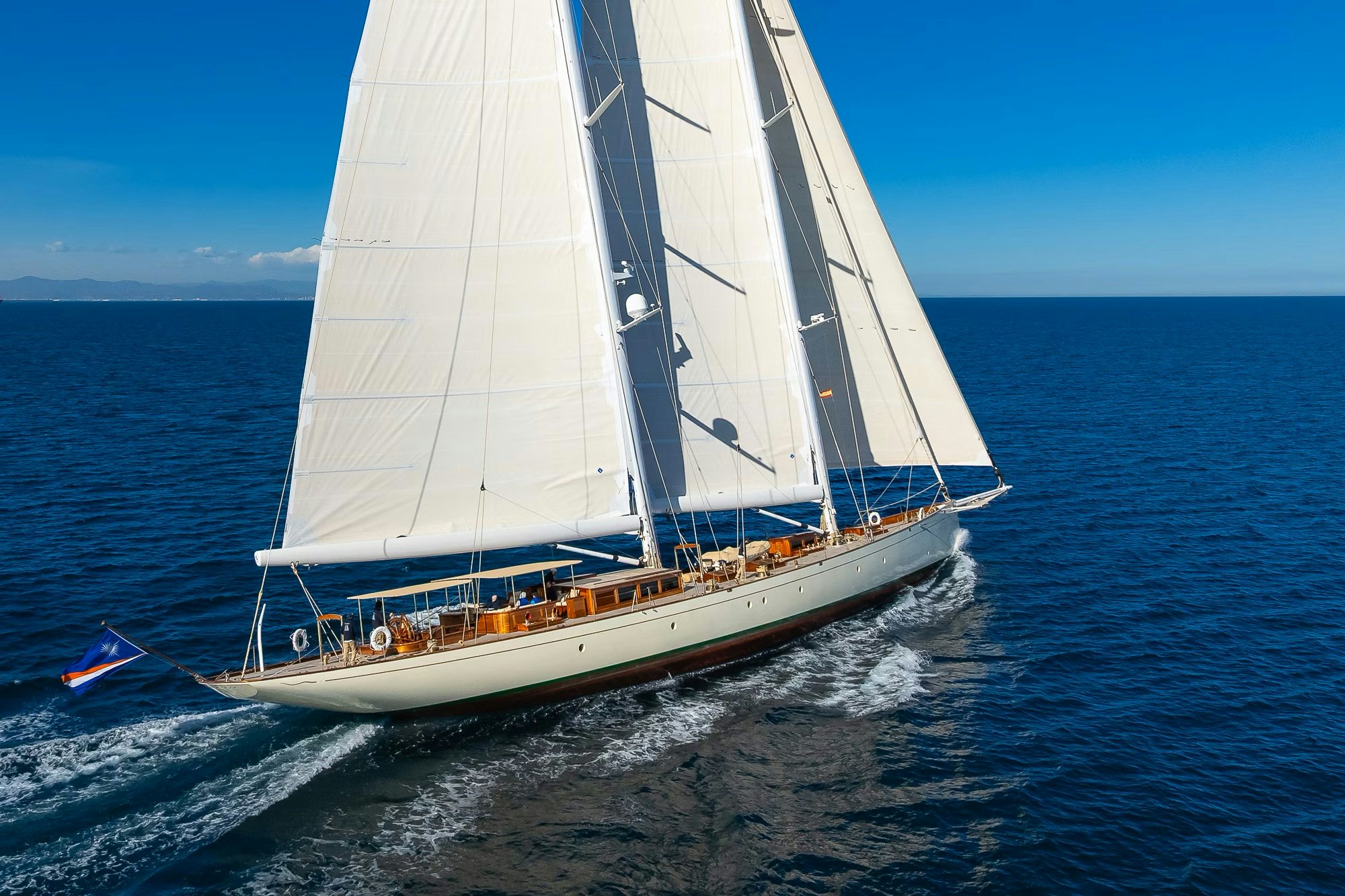
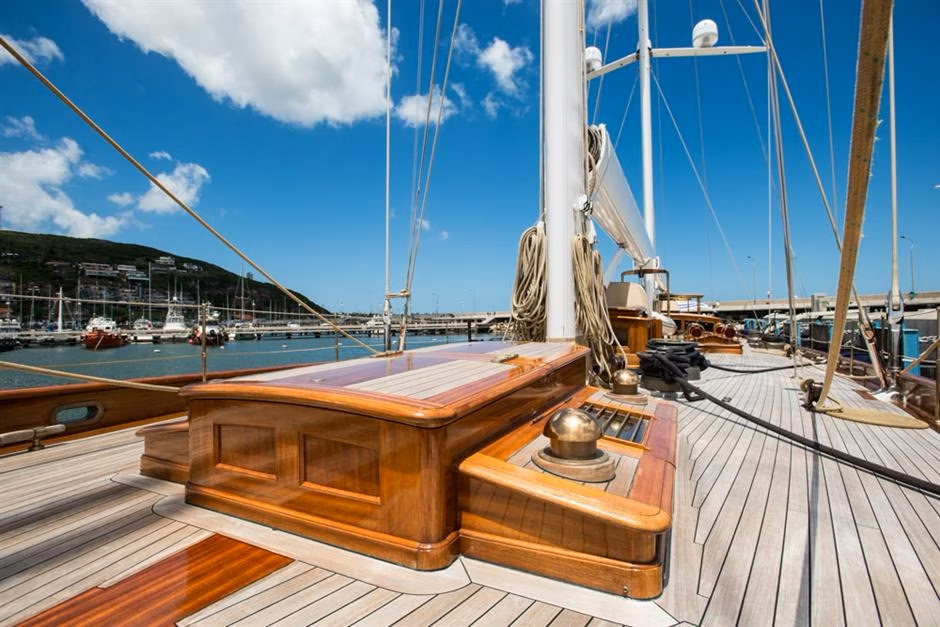
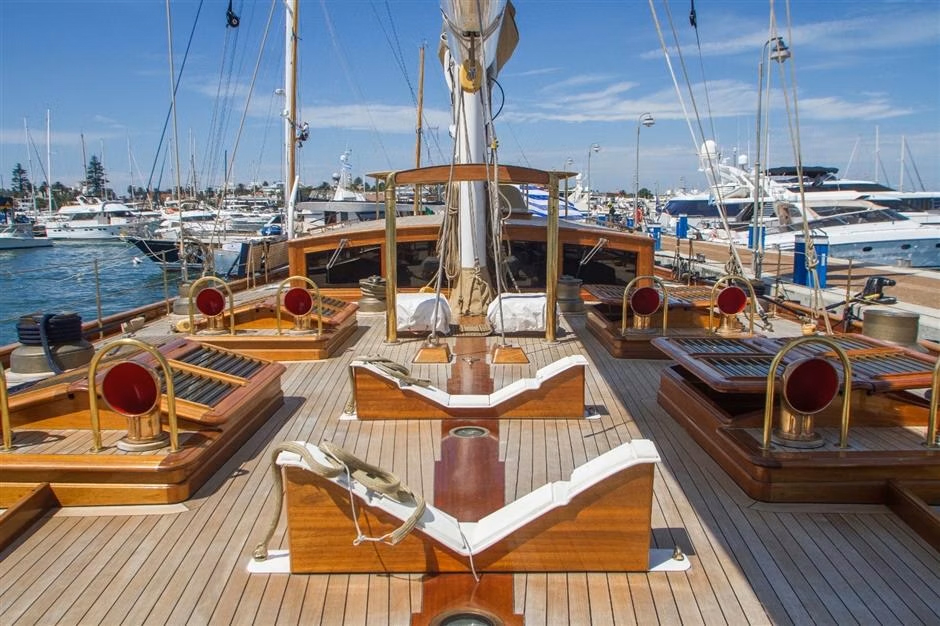
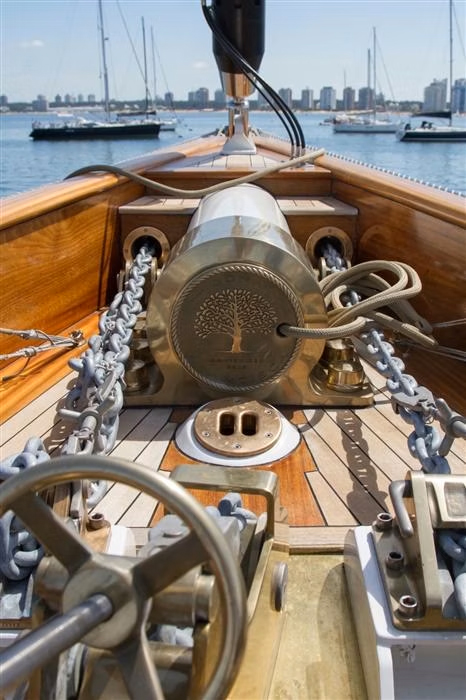
DONA FRANCISCA is regarded as the world’s largest carbon fiber schooner, a distinction that immediately sets her apart. Carbon fiber delivers lightweight resilience and corrosion resistance, but visually she remains disciplined in her adherence to classic schooner lines, finished in teak, mahogany and bronze.
As her Captain explains, “From my personal experience, sailing Doña Francisca is a feeling that is hard to describe. In many ways, you are on board a luxury sailing yacht that reflects the golden age of the 1900s, with mahogany woodwork and bronze details used exactly as they were intended on the classic schooners of that era. You feel as if you have stepped into another time.”
Yet the experience quickly shifts from nostalgia to capability. Beneath the classical detailing sits contemporary infrastructure. “But then you quickly realize that you are also on a very modern yacht. Hydraulic systems assist in all sailing maneuvers, and the vessel is equipped with the service systems expected on a modern superyacht: air conditioning, extensive refrigeration storage, advanced navigation instruments, and full backup systems for safety and comfort.”
Performance is equally balanced. She delivers a crossing speed of over 10 knots under engine power and 17 knots under sail, but more importantly, those numbers are not theoretical. Her successful Atlantic Ocean crossing in 2023 showcased her capabilities for extended ocean journeys, providing a luxurious and enjoyable experience for the crew and guests.
That crossing became a practical demonstration of how the yacht functions under real conditions. “The Atlantic crossing in 2023 demonstrated not only the yacht’s performance but also her exceptional comfort and livability,” the Captain notes. “We had 12 people onboard during the voyage, and the yacht handled the passage with remarkable ease. Even with a full complement of guests and crew, the onboard spaces worked very well. A single chef was able to comfortably prepare meals for everyone during the entire crossing.”
What differentiates her offshore behavior is not only speed, but control. “The schooner rig allows great flexibility with sail combinations depending on the conditions, making it possible to prioritize comfort during long passages.”
Equally important is how she carries that sail. “One of the design characteristics explained by the naval architect is the way the yacht heels. The hull and rig geometry reduce excessive heel compared to many sailing yachts, which makes life onboard much more comfortable.” In practical terms, as he explains, “For people without ocean sailing experience, this makes a huge difference. The voyage becomes something you truly enjoy rather than something physically demanding.”
Her cruising flexibility extends beyond open-ocean performance. For a yacht of this scale, a draft brought to 3.5m meaningfully expands destination options. Combined with a large rudder and two Maxpower R600 thrusters, she is engineered for precision in tighter ports.
The Captain emphasizes, “A relatively low draft for a yacht of this size—3.5 meters—is always a major advantage. She can enter harbors that may not normally be designed for superyachts but still have sufficient space, which significantly expands cruising possibilities.” That access also changes the anchoring experience. “It also allows you to anchor closer to beautiful coves and coastal areas, which is one of the great pleasures of sailing.”
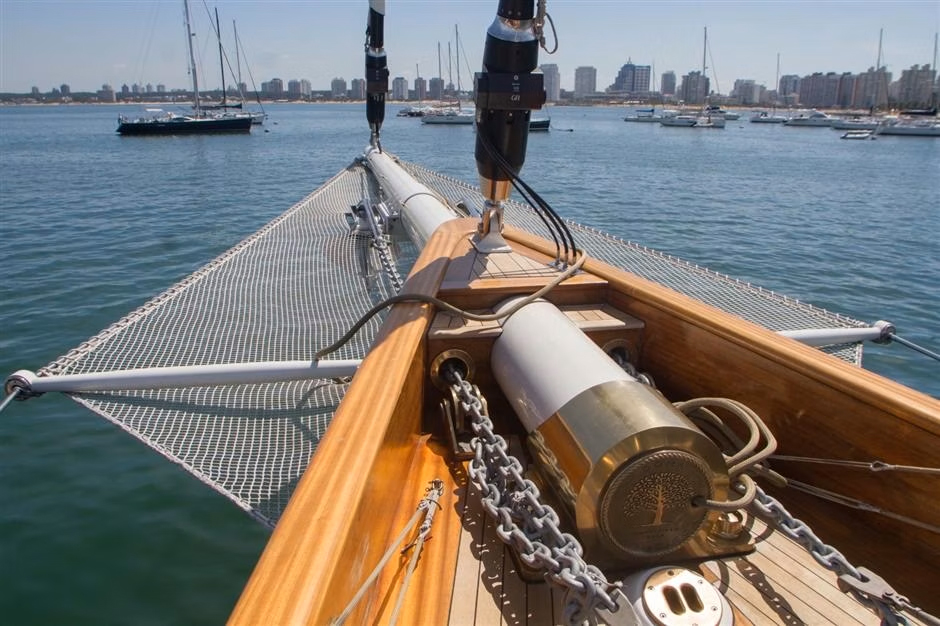
Handling a 50-meter sailing yacht in confined spaces can be demanding, but this configuration reduces complexity. “The twin bow thrusters of 100hp each make maneuvering extremely comfortable. Docking a 50-meter sailing yacht could otherwise be a stressful operation, but with this configuration it becomes very controlled and precise.”
Operational efficiency was clearly part of the original brief. She was designed to be manned by the smallest possible crew. All sailing operations are powered by hydraulics, eliminating the need for significant human effort. This has measurable implications for ownership. As the Captain explains, “Almost all sailing maneuvers can be assisted hydraulically, which significantly reduces the manpower normally required on a yacht of this size.” He further notes that “The engine room is also monitored through software systems that allow it to operate as an unmanned machinery space. From a deck operations perspective, three experienced crew members can manage most maneuvers—from leaving the dock to hoisting sails.” The result, particularly in today’s market, is clear: “This is quite significant… as it allows owners to reduce operational complexity and long-term crew costs while still enjoying a large sailing yacht.”
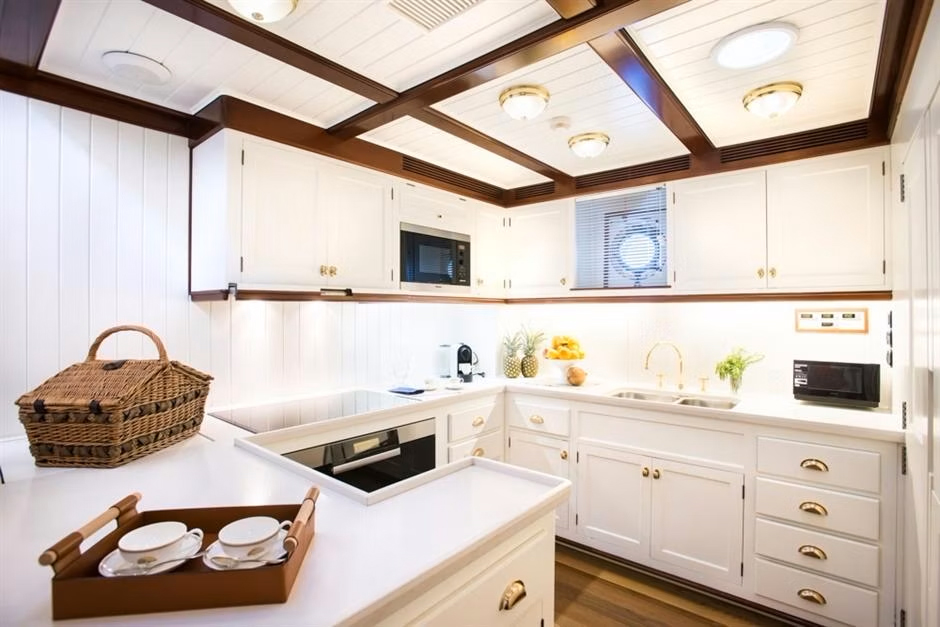
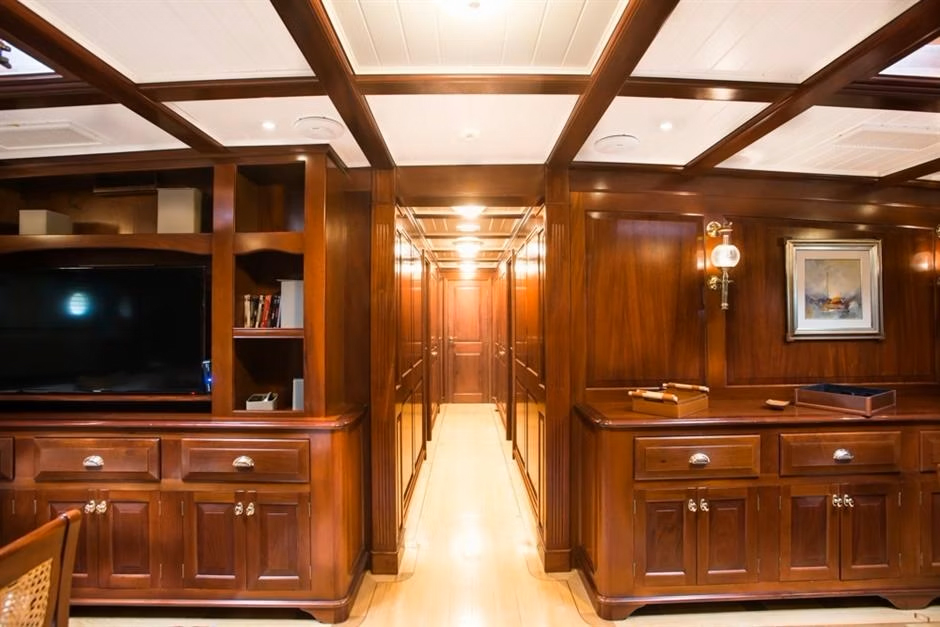
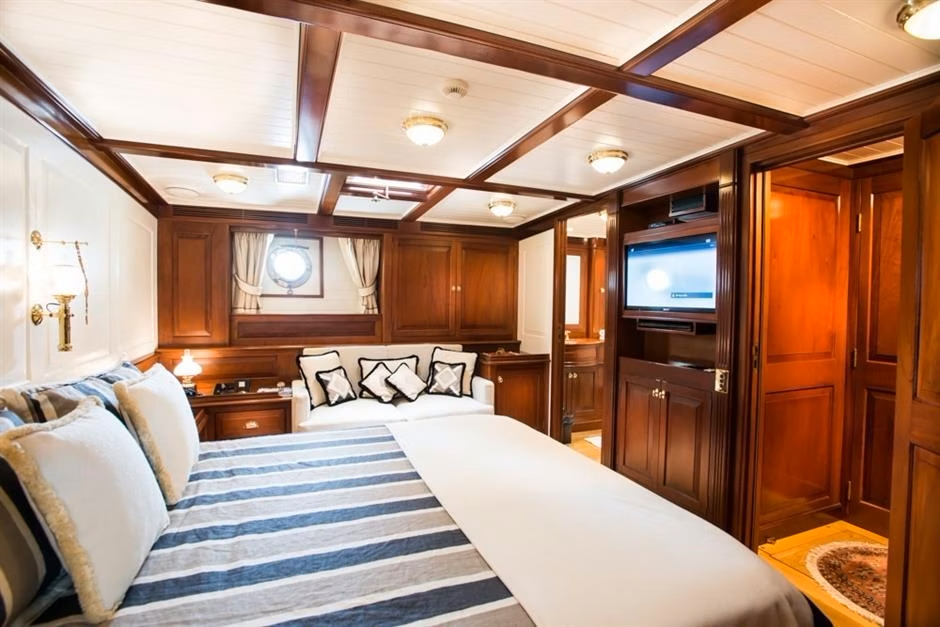
Inside, the classical execution remains consistent. The interior and exterior were designed by Javier Soto Acebal and refined by experts like Miguel Costa and Ruben Gomez. The main salon and dining room, spanning the entire beam, feature an elegant and classical style for lounging, meals and experiences. She is illuminated with tasteful old classical lamps along with natural light from the special prisms in the deck. Her entire interior design is meant to be reminiscent of classical 1900s yachts with the use of bronze and wood, including the faucets in the bathrooms and galley.
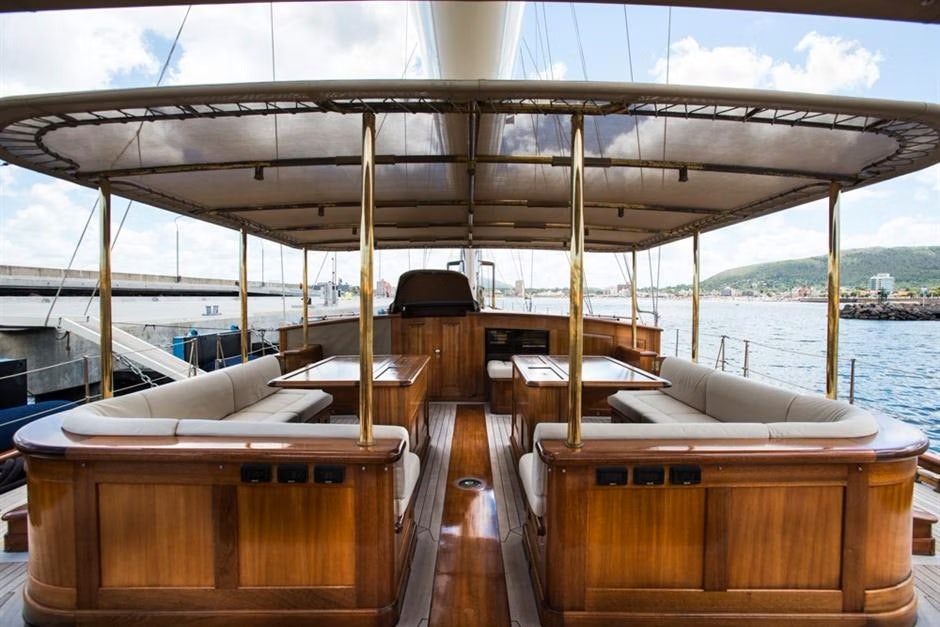
Integrating modern systems within that traditional framework required discipline. As the Captain shares, “During the design process, one of the biggest challenges was integrating modern technology into a truly classical interior.” The solution was subtle execution: “Most equipment is concealed, cables and wiring run through hidden routes, and visible elements were carefully selected to match the classic atmosphere. At first glance, everything looks authentically traditional, but behind that elegance, there is highly advanced technology.”
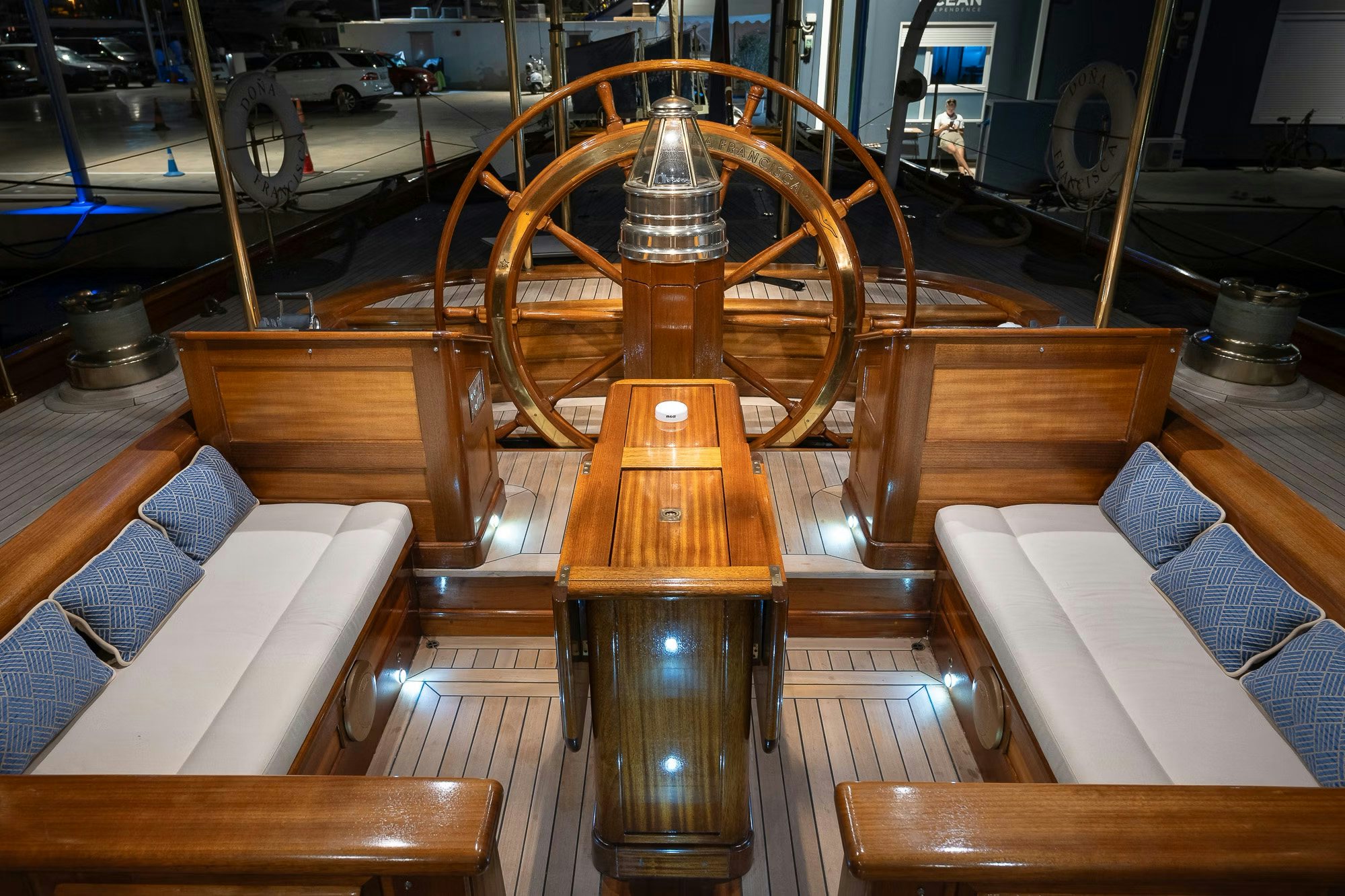
A recent refit in 2023-2024 included aesthetic carpentry, rigging paint job, and comprehensive maintenance. According to the Captain, “During the refit, the sails were renewed, the rigging was inspected and key components replaced where necessary, and ultrasonic inspections were carried out on the hull, masts, and structural elements.” In addition, “Engines, hydraulics, and technical systems received full maintenance. Navigation equipment and software were updated, and several technological improvements were added, including thermal cameras, upgraded searchlights, and Victron monitoring systems for AC and DC electrical networks. Another battery upgrade is planned as well.” The conclusion is straightforward: “Overall, the yacht is in excellent condition and fully prepared for long-distance cruising.”
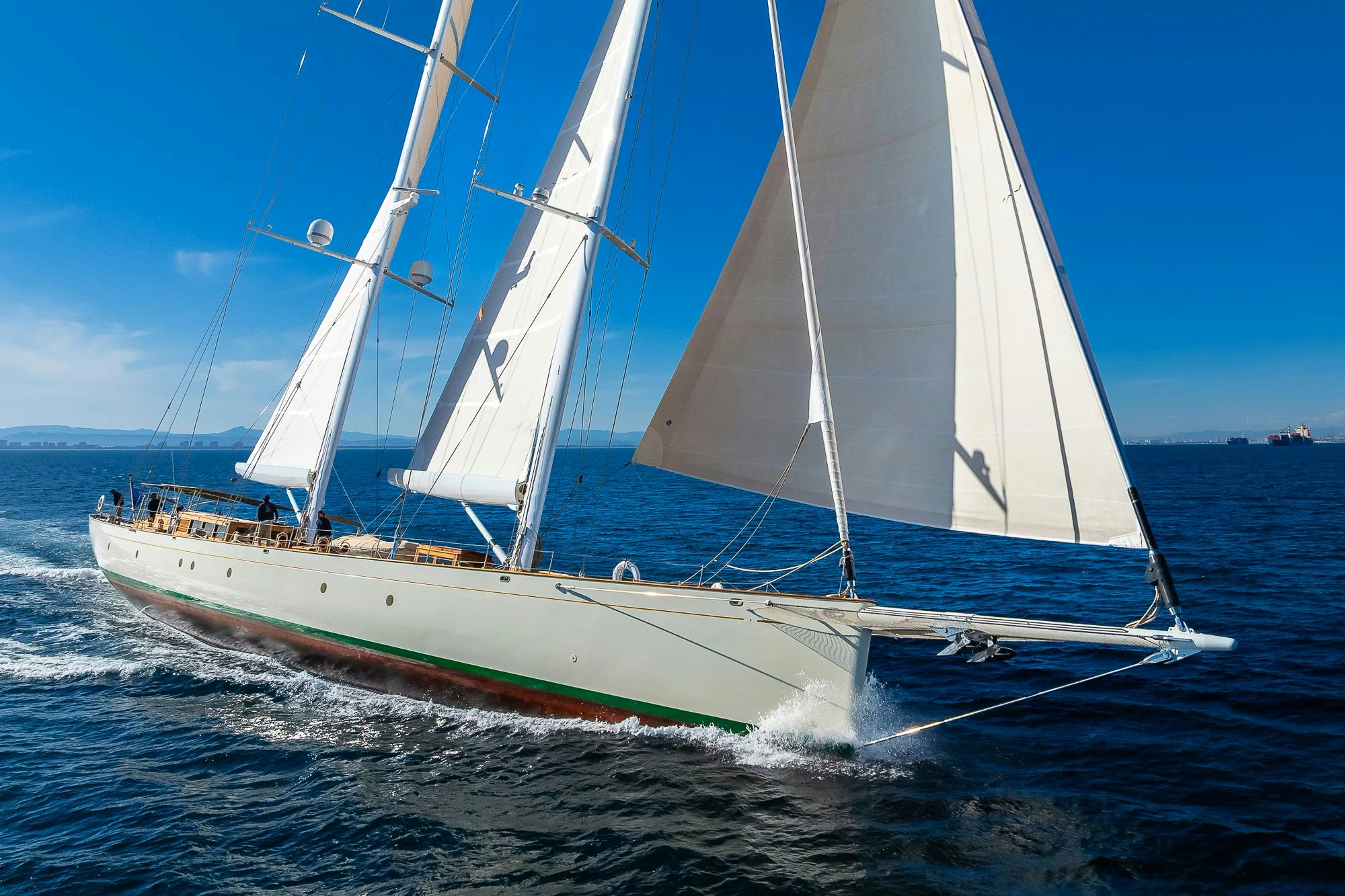
In today’s sailing market, buyers are often forced to choose between restored classics and contemporary performance builds. DONA FRANCISCA does not sit comfortably in either category, and that is precisely her strength. She delivers classical schooner presence executed in carbon fiber, proven ocean-crossing capability, expanded cruising access through reduced draft, and engineered operational efficiency.
Read Next




Navigator Newsletter Stay informed on all things yachting and luxury lifestyle with the bi-monthly Navigator newsletters.
Sign up for Navigator newsletter